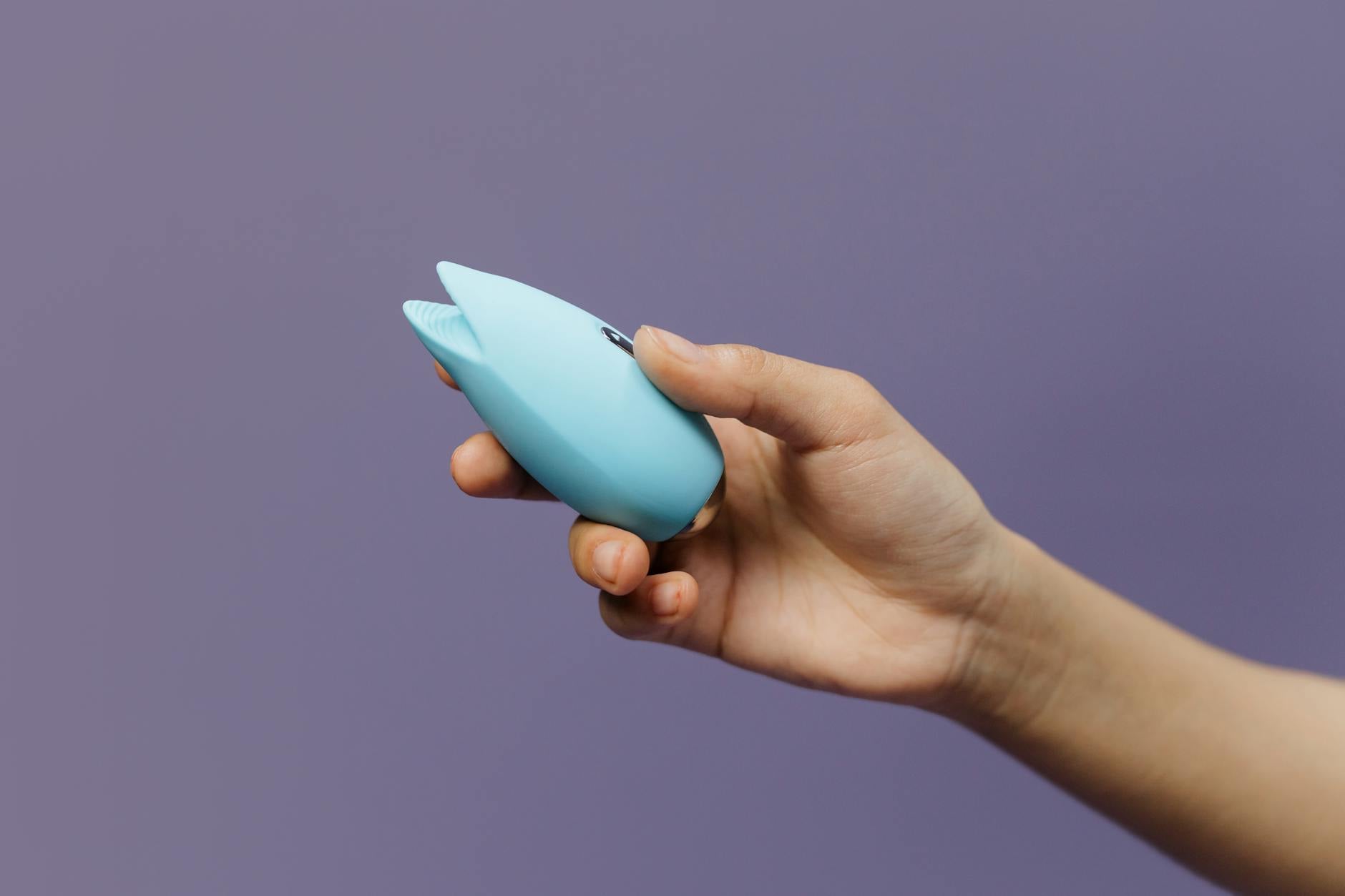
Does Lemon Vibrator Suction Feel Different When You're Sensitive to Touch
If you've always thought you were "too sensitive" for toys, lemon clitoral vibrators might feel completely different. Here's why sensation plays a bigger role than you think.
Honestly, touch sensitivity isn't a single thing. It's a spectrum with multiple layers. Some people feel everything intensely (hyperresponsive), some people need serious pressure to feel much of anything (hyporesponsive), and most of us exist somewhere in the middle depending on stress, hormones, and what's happening that day.
The reason this matters for lemon vibrators and suction toys is simple. Traditional vibration works by rapid back-and-forth movement. Suction works by creating sustained pressure and rhythmic pulses that feel fundamentally different to your nervous system. If you've always found vibrators overwhelming or too sharp, the way a lemon clitoral vibrator works might feel like a completely different experience.
Let me break down what's happening physically. A lemon vibrator uses air-pulse technology, which creates a gentle suction sensation rather than the buzzing friction of traditional vibrators. This means the stimulation is more about pressure and wave-like pulsing than direct buzzing against tissue.
For sensitive people, this makes a huge difference. The sensation is gentler on your nerve endings even when the device is running at full intensity. It's not less intense overall, but the intensity feels smoother and less jarring. Think of it like the difference between being poked repeatedly versus being held firmly. One scatters your attention; the other concentrates it.
The suction in lemon vibrators also gives you more control. You can adjust how much seal your body creates against the device, which changes how much pressure you feel. With traditional vibrators, the vibration pattern stays the same regardless of pressure. With suction, you actually control some of the sensation just by how you position yourself.
Touch sensitivity isn't fixed. It changes based on anxiety, trauma history, medication, relationship stress, and even what you had for breakfast. I see this constantly in my practice. Someone will tell me they're "too sensitive for toys" and what they actually mean is they're too sensitive right now, for a specific reason.
Hormones shift sensitivity too. People on certain antidepressants find touch feels more intense or more muted. Anxiety makes touch feel sharper. Relaxation makes you able to feel pleasure more clearly. This is why the same toy can feel overwhelming one week and perfect the next.
Lemon clitoral vibrators handle this better than most toys because you're not locked into one sensation. You can start at the lowest setting and work up. You can move slightly away from full suction if it feels like too much. You have options within each session.
Here's a distinction that changes everything. Being touch sensitive doesn't mean toys won't work for you. It might just mean you need the right kind of stimulus and the right conditions.
Overstimulation happens when sensation becomes too much too fast. This is different from being inherently sensitive. Someone who's overstimulated needs slower buildup, more control, and sometimes a break in stimulation. Someone with chronic touch sensitivity might actually do great with consistent, sustained pressure (like suction) as opposed to rapid, scattered vibration.
Lemon vibrators tend to work well for both. The sustained nature of suction doesn't feel scattered. The fact that you control the seal means you control your buildup. And the ability to use the device solo without a partner watching your reactions? That removes so much performance pressure that actual sensitivity often drops. Your nervous system relaxes when you're not being observed.
Many people who think they're too sensitive for toys have actually only tried toys with pure vibration, and usually buzzy vibration. Lemon vibrators offer something different. You get the suction sensation as your primary stimulus, with gentler vibration layered underneath rather than being the main event.
This changes the game for sensitive people. You're not getting hit with aggressive buzz from the start. You're getting sustained pressure with optional pulses. Some of my clients set their lemon vibrator to a lower vibration pattern and use the suction as the main sensation. Others go the opposite way, more interested in the gentle vibration than the suction itself.
The beauty of this design is flexibility. You're not locked into one type of stimulus. You can customize your experience based on what your body needs that day.
If you're on SSRIs, SNRIs, or certain other medications, touch can feel different. Some people report numbness. Others report heightened sensitivity. The variation is real and specific to your individual nervous system and dosage.
What I've noticed with lemon clitoral vibrators in particular is that they seem to work better for people on these medications than traditional vibrators do. The suction gives you deeper stimulation without relying on surface-level buzz. You're engaging more of your nervous system, which can help bypass some of the numbness that antidepressants can create. This isn't universal, but it's common enough that it's worth knowing.
Touch sensitivity also comes from trauma history. If you've experienced boundary violations or unwanted touch, your nervous system rightfully protects you by making touch feel intense or even painful in some cases. This is not weakness. This is your body doing its job.
For people with this kind of touch sensitivity, lemon vibrators can actually feel safer than other toys because you're completely in control of the pressure and speed. You're not dealing with unpredictable vibration patterns or a partner's hand pressure. You set the intensity. You set the pace. You can stop instantly.
The sustained pressure of suction can also feel more containable than scattered vibration. It feels held rather than attacked. Some people find this deeply grounding. Others still need to work with a therapist on their touch response, which is completely valid. Tools help, but they're not magic.
If you're considering trying lemon vibrators and you know you're on the sensitive side, start with these approaches.
First, use plenty of lube. This isn't because anything is broken. It's because lube reduces friction and makes the sensation feel more rounded and less sharp. Water-based lube works great with silicone toys.
Second, start with the lowest setting. Lemon vibrators come with multiple intensity levels. You don't need to go high to feel something. In fact, many sensitive people find lower settings feel better because the sensation is more controlled.
Third, take time to figure out positioning. The angle of the device against your body changes how much suction you feel. Experiment with what feels good rather than trying to do it "right."
Fourth, give your nervous system time to adjust. The first time you use any new toy, your body is processing novel sensation. This isn't reliable data about whether you'll like it long-term. Try it a few times before deciding.
Finally, check in with what's happening in your life. If you're stressed, in pain, or dealing with a lot, your touch sensitivity will naturally increase. This is temporary. Come back to toys when you're in a better headspace.
If touch consistently feels painful, not just intense, see a pelvic floor physical therapist. There might be muscular tension contributing to the pain that's fixable.
If touch sensitivity emerged after trauma and you haven't worked with a therapist about it, that conversation is worth having. Toys can complement therapy, but they're not a replacement.
If medication changed your sensation and it's affecting your quality of life, talk to your prescriber. Sometimes dosage adjustment or switching medications helps. Sometimes it doesn't, but it's worth asking.
Lemon clitoral vibrators feel different for sensitive people because suction is a different type of stimulus than vibration. This different feeling often works better, not worse. Touch sensitivity doesn't disqualify you from pleasure. It just means you need the right tool and the right conditions. That tool might be a lemon vibrator. Give yourself permission to find out.
Lemon vibrators create a rhythmic pulsing sensation through air suction rather than the rapid buzzing of traditional vibrators. The feeling is more like sustained pressure with gentle waves, rather than scattered vibration against your skin. Most people describe it as smoother and more concentrated. For sensitive people, this often feels less overwhelming because the sensation doesn't have that sharp, jittery quality that buzz can create.
It depends on the source of your sensitivity. If it's trauma-related touch sensitivity, lemon vibrators often work well because you control the pressure and pace completely. If it's neuropathic pain (nerve damage), start very gently and check with your doctor first. If it's pelvic floor tension, a pelvic floor physical therapist can help you understand what will feel good. The key is starting low and paying attention to what your body tells you, not pushing through pain.
No. Touch sensitivity and orgasm capacity are separate things. You can be sensitive to touch and still have orgasms, sometimes intense ones. The trick is finding the right stimulus and removing performance pressure. Lemon vibrators often help because they give you control and because suction feels different from vibration in ways that can actually make orgasms easier to reach.
Not necessarily less intense, but different. The intensity is there, but it's delivered in a way that many sensitive people find more manageable. Think of it as concentrated intensity rather than scattered intensity. You might find you can tolerate a higher actual intensity level because the sensation feels smoother. Start low and adjust based on what feels right for your body.
If your touch sensitivity comes from a medical condition like neuropathy, pelvic pain syndrome, or post-surgical nerve issues, yes. A quick check-in is worth it. If it's general sensitivity or anxiety-related, you probably don't need medical clearance, but listening to your body is essential. Pain is different from intensity. Intensity that feels good is fine. Pain means stop.
Sensory processing differences mean your nervous system processes stimulus differently. Some people with ADHD or sensory sensitivities actually prefer lemon vibrators because the suction gives consistent, predictable stimulus rather than variable buzz patterns. Others find any toys overwhelming. The only way to know is to try, start very low, and pay attention. There's no universal answer here because processing differences are individual.