Long-term relationships don't just change emotionally. They change physically. After months or years together, the touch that once sparked electricity can start to feel like a familiar routine. Your body stops lighting up the way it used to. And that's not a failure of your relationship or your partner. It's a neurological fact: novelty creates arousal, and repetition dulls it.
But disconnection from pleasure after relationship shifts is fixable. And often, the fix isn't more date nights or couples therapy (though those help). Sometimes it's giving yourself permission to reconnect with your own pleasure first.
When you're with someone new, your nervous system is hyperalert. You're reading their body, uncertain of the next touch, your brain flooded with dopamine and adrenaline. Over time, predictability kicks in. The same pressure, same timing, same location. Your nervous system stops paying attention because it already knows what's coming.
This isn't relationship death. It's habituation. It's your brain doing exactly what it's designed to do: allocate attention to novelty and tune out repetition. The same thing happens when you hear a song you loved on repeat for a month, or drive the same commute every day. The stimulus becomes invisible.
The problem is that many people interpret this as "the relationship is over" or "they don't attract me anymore." Neither is true. Your body is just asking for different input.
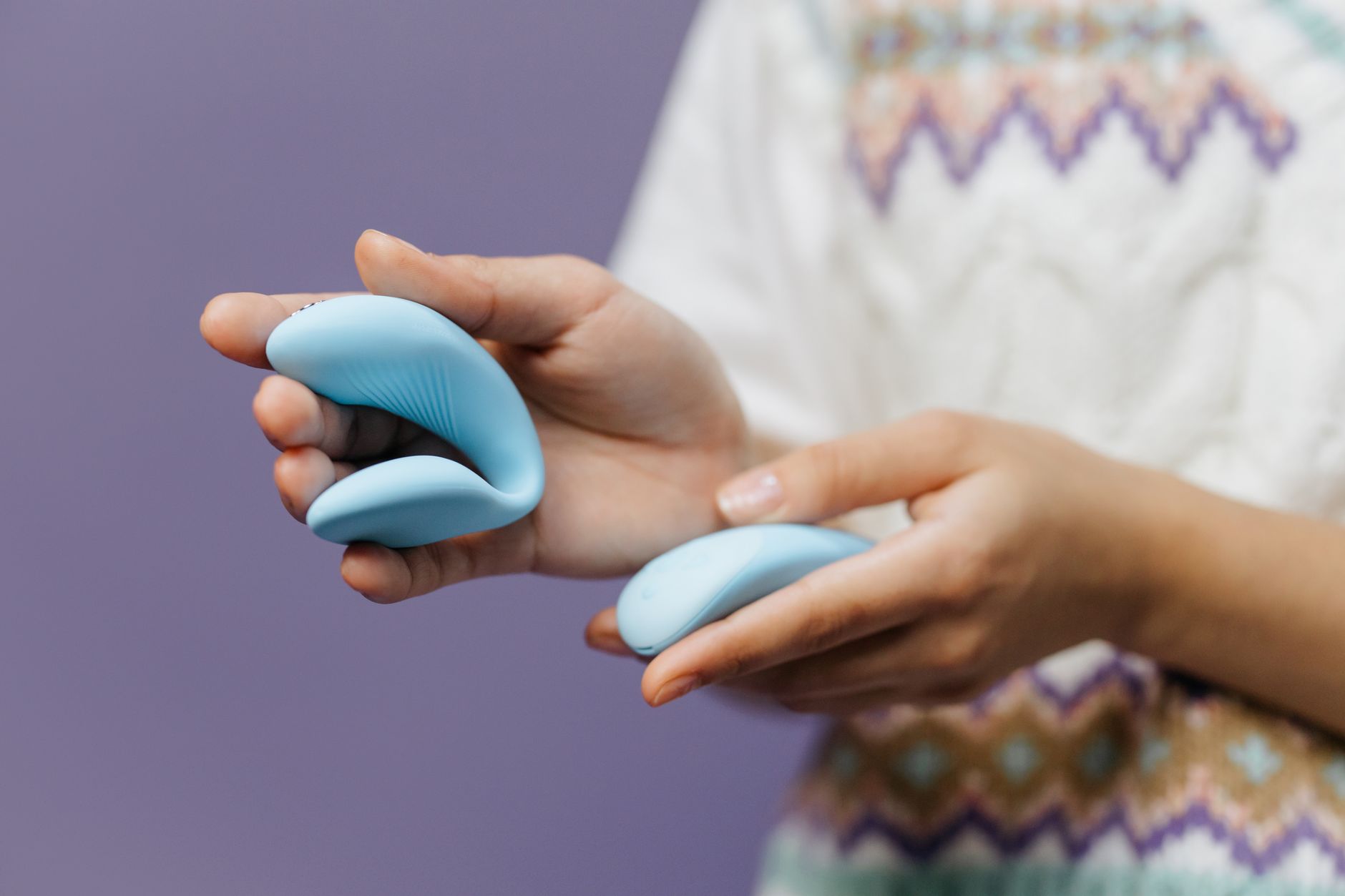
Lemon clitoral vibrators like The Lem break that habituation cycle in three specific ways.
1. Unpredictable stimulation. Unlike a partner's hand or mouth, which falls into familiar rhythm, The Lem's suction pattern creates novelty. The intensity builds and releases in ways that aren't routine. Your nervous system stays engaged because it can't predict what's next.
2. Sole focus on your pleasure. When you're with a partner, there's usually a negotiation happening in your body. You're aware of them, their pace, whether they're comfortable, what they might want next. Lemon vibrators silence all that. You're not managing anyone else's experience. Your entire attention can go to sensation.
3. No emotional baggage attached. After years with a partner, sex carries weight. Resentment, unresolved conflict, mundane stress about bills or kids or work. A lemon clitoral vibrator doesn't carry any of that. It's just sensation without context. That clean slate can help your body remember what pleasure actually feels like, separate from everything else.
When you use lemon vibrators solo after feeling disconnected in your relationship, you're not avoiding your partner. You're documenting your own pleasure baseline. You're learning what your body still wants when there's no pressure to perform, no need to sync with someone else's timing, no lingering resentment in the room.
This matters because many people stop having pleasure during sex not because the sex is bad, but because they've lost touch with their own arousal signals. After months of half-present sex, the body gets good at faking it. Lemon vibrators help you get honest again.
Here's how it usually unfolds: you use a lemon clitoral vibrator alone. You discover (or rediscover) what intensity you actually like, how long you want foreplay, whether you prefer steady pressure or building patterns. You have orgasms that remind you what real arousal feels like. Then, armed with that knowledge, you can bring some of it back to partnered sex.
I've watched this cycle with hundreds of couples. The person reconnects with themselves first. Then they tell their partner, "I want to show you something" or "I learned what I actually like." That information transforms partnered sex because now there's a road map instead of guessing.
Here's the distinction: a traditional wand vibrator feels powerful but it's still a direct, familiar sensation against your skin. After years of penetration-focused sex or even years of regular vibration, your clitoris can stop responding to straight intensity.
Lemon vibrators use suction and pulsing rather than pure vibration. This mimics the sensation of oral sex or suction without replicating penetration. For people whose disconnection came from years of repetitive partnered sex, that difference in sensation pattern is what jolts the nervous system back awake.
The Lem specifically creates a seal that doesn't rely on pressure. You're not grinding against it. Your body can relax into it. For people who've learned to tense up during sex (which is a common response to unresolved tension in long-term relationships), that gentler engagement often works faster than more intense options.
There's no way to reconnect with your own pleasure while managing someone else's experience or feelings. The moment your partner is in the room, your nervous system splits its attention. You're partly focused on your sensation and partly focused on them. That's fine for partnered sex, but it defeats the purpose of this reconnection.
Give yourself two to four weeks of solo exploration. Use the lem vibrator or whichever lemon clitoral vibrator feels right. Notice what patterns you like. Notice how different intensities feel. Notice whether your body responds better with longer foreplay, with fantasy, with silence, with music. You're gathering data about yourself.
After that, if you want to bring it into partnered sex, you can. Some couples enjoy using it together. Some people prefer to keep solo pleasure separate. There's no right way. The point is you're not obligated to share this discovery immediately.
Reconnecting with your own pleasure doesn't automatically fix relationship disconnection. But it does three things that make the rest easier.
First, it reminds your body that pleasure is still possible. After months of disconnected sex, many people start to believe they're just not a pleasure person anymore. Lemon vibrators prove that wrong in about 48 hours.
Second, it shifts the emotional weight. You're no longer looking to your partner to "fix" your pleasure. You've taken ownership of it. That's less pressure on them and less desperation in the relationship. It changes the dynamic.
Third, it gives you actual words for what you want. Instead of "I don't know, sex just feels boring," you can say "I discovered I like building intensity more slowly" or "I want more focus on my clitoris." That's actionable information that can change partnered sex.
Disconnection after long-term relationship shifts doesn't heal overnight. You might use lemon vibrators for two weeks and feel completely alive. Or you might need six weeks of solo reconnection before that spark returns.
The variable is usually how much unresolved tension is sitting in the relationship. If the disconnection came purely from boredom and habit, lemon vibrators reconnect you fast. If it came from anger, resentment, or feeling unseen by your partner, you might need to do some relationship work alongside the pleasure work.
If that's your situation, I'd suggest talking to your partner about what's really going on. Sometimes "we're not connecting sexually" is actually "I don't feel heard in this relationship." Those are different problems that need different solutions. But reconnecting with your own pleasure while you work through the bigger issue is still valuable.
No. The opposite usually happens. You'll actually have better partnered sex because you know what you like. The fear that solo pleasure somehow ruins partnered sex is a myth. Your body doesn't forget how to respond to a partner. What changes is that you'll have higher standards for what actually feels good.
There's no fixed timeline. Most people do two to four weeks solo to get reacquainted with themselves. Some need longer. Some are ready after a week. Listen to your body. When you feel like showing your partner what you've discovered, that's the right time.
Not by themselves. If the disconnection comes from deeper issues like infidelity, lack of emotional connection, or fundamentally different desires, a lemon clitoral vibrator won't solve that. But if the disconnection is specifically about sexual pleasure becoming routine and predictable, then yes, lemon vibrators absolutely help. You might need relationship counseling for the bigger picture, but reconnecting with pleasure is part of the solution.
That guilt is worth examining. You deserve solo pleasure. Full stop. It's not a betrayal of your relationship. It's self-care. If you're feeling guilty because your partner made you feel guilty, that's a relationship conversation worth having. If you're feeling guilty because you were taught that pleasure should always be partnered, that's outdated thinking worth questioning.
Yes, for most people. The suction mechanism creates a different sensation pattern than traditional vibration, which helps break the habituation cycle faster. But the most important thing is that you find a toy that feels good to you. Some people reconnect with a lemon vibrator. Some reconnect with a different tool. The point is giving your body new sensory input.
Start the conversation before you're already using it. Say something like, "I've been feeling disconnected from pleasure, and I want to explore what helps me feel more alive." Then listen to what's underneath their resistance. Sometimes it's insecurity. Sometimes it's a belief that they should be enough. Neither is your responsibility to fix, but understanding it helps. You might need to have a conversation about what independence looks like in your relationship, with or without a therapist's help.
Frame it as reconnection, not replacement. Say something like, "I want to feel more pleasure again, and I'm going to explore what helps. I'd love for that to eventually include you, but I need to figure out my part first." That's honest and doesn't demand participation. Some partners come around once they see you reconnecting. Some don't. But at least they're informed.
Long-term relationships change pleasure. That's not a failure. It's just what happens when the nervous system adapts to predictability. Lemon vibrators interrupt that pattern. They give your body new sensations that wake up arousal that's been dormant. They let you reconnect with yourself before you try to reconnect with your partner.
The best part is that this reconnection usually makes partnered sex better, not worse. You'll have clearer desires, less resentment, and more agency. You'll stop waiting for your partner to fix your pleasure and start taking responsibility for it. That shift changes everything.
If you're feeling disconnected in a long-term relationship and you're ready to explore what helps, start here. Give yourself permission. Give yourself time. And notice what your body remembers about pleasure when you're paying attention to it.
Need support navigating relationship changes beyond the bedroom? Reach out to us. We're here to help you reconnect with yourself and your partner.