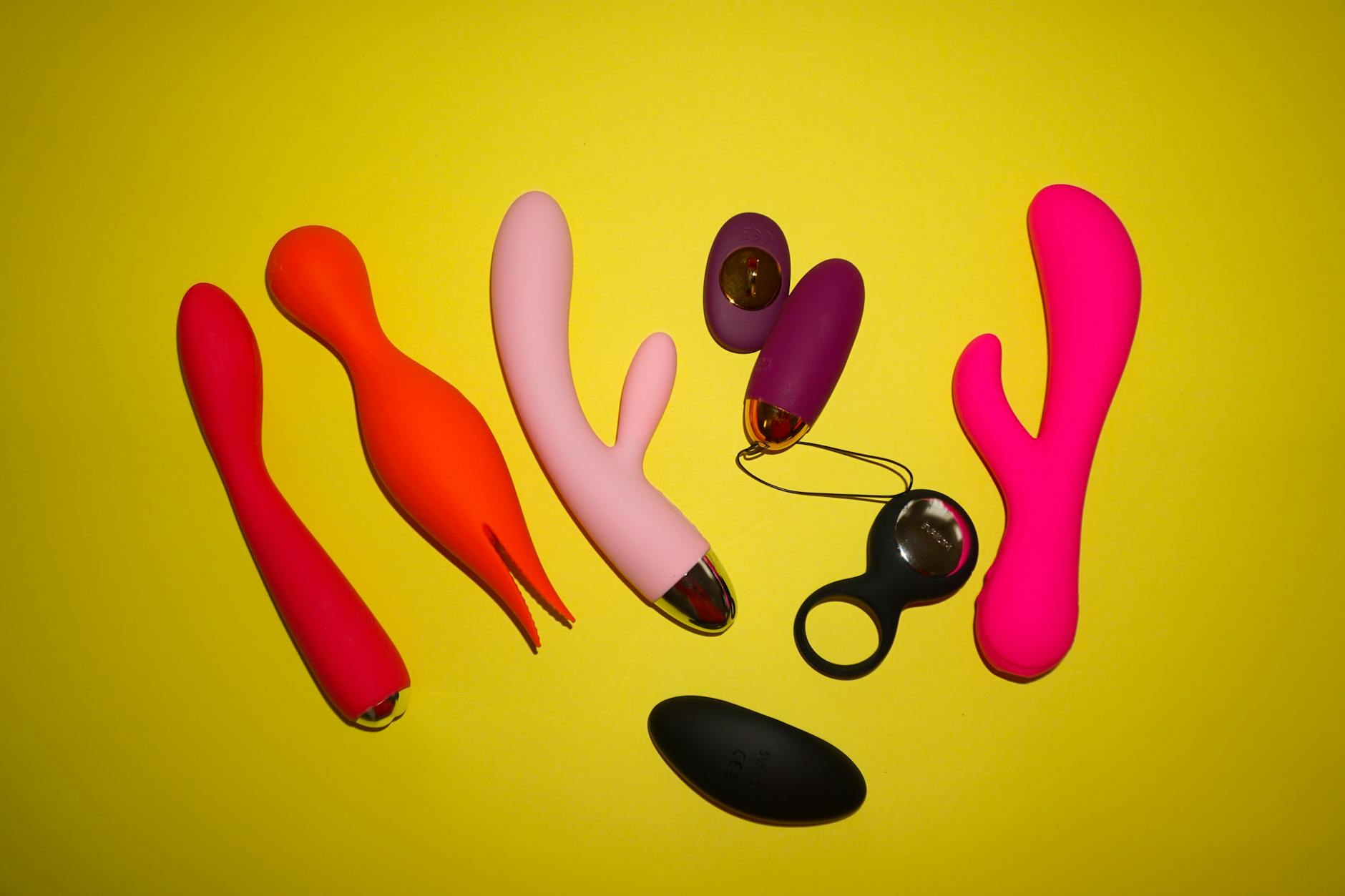
You used to have orgasms that made you forget your own name. Now they're more like a gentle wave. You're wondering if this is just how it is now, or if something's actually wrong.
Here's the thing: orgasm intensity is not a static trait. It shifts with age, hormones, medication, stress, relationship dynamics, and even how much attention you're paying to sensation. The fact that it's changed doesn't mean it's broken. It means something in your neurophysiology or context has shifted. And most of those things are more fixable than you think.
I've worked with hundreds of people who describe exactly this: a gradual or sudden dip in orgasm intensity. The ones who get their sensation back are usually the ones who take a diagnostic approach instead of just accepting it. That's where lemon clitoral vibrators and suction-based stimulation often make the difference.
Intensity depends on a few moving parts. Your nervous system sensitivity, pelvic floor muscle tone, blood flow to the clitoris, hormonal status, and mental presence all contribute. When intensity drops, usually one or more of these has shifted.
Nerve sensitivity. If you've been using the same type of stimulation for years—say, consistent direct vibration—your nerve endings can habituate. Your body stops registering the same stimulus as novel. You need either a different sensation, a different pattern, or a longer break to reset sensitivity.
Pelvic floor tension. Counterintuitively, too much pelvic floor tension can actually mute orgasms. When your pelvic floor stays chronically clenched (from stress, anxiety, or overuse), it restricts blood flow and nerve firing. Orgasms happen in a tense, constrained space instead of a relaxed one. That translates to less intensity.
Hormonal shifts. Even if you're not in menopause, fluctuations in estrogen and testosterone affect arousal speed, lubrication, and orgasm quality. Some medications flatten sensation. Birth control, antidepressants, and even blood pressure meds can dull the edge.
Blood flow and cardiovascular fitness. Sounds boring, but orgasms require actually good blood circulation to the pelvic region. If your cardio fitness has dipped or your blood pressure regulation has changed, that affects intensity.
Attention and stress. If you're stressed, distracted, or going through relationship turbulence, your nervous system is in survival mode. That literally makes orgasms smaller. Your brain is doing threat assessment instead of pleasure reception.
Lemon clitoral vibrators work differently than traditional wand vibrators or bullet vibrators. They use suction and pulsing stimulation instead of direct vibration. That's not a marketing difference. It's a biomechanical one that matters.
When your nerves have habituated to one type of stimulus, switching the type of stimulus often resets sensitivity. Suction creates a different neural firing pattern than vibration. It's like your nervous system wakes up and says, "Oh, this is new information." That novelty itself can restore intensity.
Second, suction-based lemon sexual toys tend to create a more sustained, building sensation rather than a jolting one. That allows for the kind of gradual intensity ramp that often produces deeper, more intense orgasms than a quick spike from direct vibration. You're building pressure and sensation over time instead of hitting one frequency hard from the start.
Third, people switching to lemon adult toys often realize they were using stimulation at the wrong angle or pressure all along. With a suction device, you have more control over placement and intensity level. You can find the exact spot and exact pressure that your nerves respond to. That's harder with a wand you've been using the same way for five years.
Before you assume you need a new tool, answer these questions:
How long has intensity been declining? If it's been months or years, it's likely habitual or hormonal. If it's sudden, consider medication changes, stress spikes, or relationship shifts.
Are you usually relaxed or tense during sex? If you're clenched, holding your breath, or mentally elsewhere, that's a nervous system problem, not a tool problem. You might need to work on relaxation and presence first.
Have you tried different stimulation patterns? Sometimes people stick to one rhythm or intensity because it's what they know. Experimenting with different speeds, patterns, or pause rhythms can restore novelty without changing tools.
What's your stress level like? High cortisol dampens pleasure. If you're under major stress, orgasm intensity won't recover until you address that.
Have you had your hormones checked? If you're on medication or going through hormonal transition, a conversation with your doctor is worth it. Sometimes tweaking medication timing or dose helps.
When was the last time you took a break? A week or two off from masturbation and partner sex can reset nerve sensitivity. It sounds counterintuitive, but it works.
If you've answered these and nothing obvious jumps out, switching to a lemon clitoral vibrator is usually worth trying. The cost is low relative to the potential payoff.
Just buying the device doesn't do the work. Here's the protocol that usually works:
Start at pattern 1 or 2. Most people jump to high intensity immediately. Don't. Let yourself feel lower-intensity stimulation first. You'll notice sensations you were missing before.
Spend time on the approach. Don't go straight for orgasm. Explore sensation. Notice where on the clitoris feels best. Notice which patterns feel most pleasurable. This retrains your nervous system to register subtle sensation.
Build slowly. Let intensity increase over 10-15 minutes instead of 2-3. A longer build usually produces a more intense orgasm than a quick ascent.
Pause and resume. Climactic pauses (stopping right before orgasm, then resuming) often create more intense releases than continuous stimulation. Your nervous system responds to the contrast.
Work with your pelvic floor. As you approach orgasm, consciously relax your pelvic floor instead of tensing. Breathe into your belly. This paradoxical relaxation during arousal often multiplies orgasm intensity.
Track what works. Pay attention to time of day, cycle phase, stress level, and which patterns produce the best results. Then repeat. Your nervous system learns through consistency.
If intensity has dropped suddenly, or if it's accompanied by pain, numbness, or loss of sensation in other areas, get it checked. Sudden changes can indicate nerve issues, hormonal problems, or medication side effects that deserve professional attention.
Also reach out to someone if reduced orgasm intensity is happening alongside low desire, pain during sex, or emotional distance from your body. That usually points to something beyond sensation habituation. Relationship therapy or sex therapy can help reset your relationship to pleasure itself.
Honestly though, what I've noticed most in my practice is that people who restore orgasm intensity almost always improve their attention first. They stop treating sex as a task with a finish line. They stop thinking about what they should feel and start noticing what they actually feel. They stop rushing.
That shift alone often restores sensation before any tool does. A lemon vibrator is just a vehicle for that attention. It helps you notice because the sensation is different. But the engine is focus.
Orgasm intensity isn't a permanent state. It moves. That's actually good news. It means you can move it back.
Your nervous system habituates to repetitive stimuli. It's called sensory adaptation. Your nerve endings stop firing as strongly in response to a sensation you've experienced thousands of times. This is normal neurophysiology, not a sign of damage. Switching the type of stimulation (like moving from vibration to suction) or taking a break usually resets sensitivity.
Rarely overnight, but often within a few sessions. The novelty of a different sensation can wake up your nervous system quickly. But the real restoration usually happens over a couple of weeks as you explore new patterns and learn what your current body responds to. Patience matters more than the tool.
Sometimes, but not always. Low testosterone can reduce intensity, but so can habituated nerve endings, high stress, relationship issues, certain medications, or pelvic floor tension. If you suspect hormonal issues, get bloodwork done. But don't assume hormones are the only variable.
No. Daily use of the same tool can actually perpetuate habituation. Most people see better results with 3-4 sessions per week, with at least one full day off in between. That rhythm gives your nervous system time to reset.
If you've given it an honest two-week trial and nothing shifts, the issue is likely not about the tool. It might be stress, relationship dynamics, medication side effects, or something deeper. A conversation with a therapist or sex therapist is worth considering. Sometimes orgasm intensity doesn't come back until the context shifts.
Yes, but only if you're learning to relax as well as strengthen. Many people do Kegels and then stay clenched during sex, which actually mutes sensation. The goal is strength with flexibility. Working with a pelvic floor physical therapist gives you both, which often improves intensity.
Orgasm intensity changes over a lifetime. That's not failure. That's information. Your nervous system is telling you something has shifted and asking you to pay attention. Most people who restore intensity do so by listening to that signal and experimenting thoughtfully. A lemon clitoral vibrator is often part of that experiment. But attention is the real work.
If you're ready to try a different approach to sensation, start with something manageable. If you're struggling with something deeper, reach out to someone trained to help. Either way, your body still knows how to feel good. You're just learning a new language for it.