It doesn't work. Not because your partner is selfish. Not because there's anything wrong with you. It doesn't work because desire isn't a finite resource they're hoarding. Sometimes low initiation is about stress, fatigue, medication, or just different wiring. And sometimes it's about feeling stuck in a dynamic where one person is always reaching and the other is always being reached toward. The reaching gets exhausting. The being reached toward gets suffocating. Both of you end up somewhere you didn't intend.
I've worked with countless couples where one partner hasn't initiated in months, sometimes years, and the relief they both felt when the non-initiating partner stopped being the gatekeeper of all sexual experience was profound. Not because that person suddenly developed more desire. But because the other partner finally gave themselves permission to have pleasure that didn't depend on getting their partner to want them in that moment.
That's where lemon vibrators come in. Not as a replacement for your partner. As a reset button for your own agency.
Let's separate two different situations, because they need different things:
Situation 1: Your partner has lower baseline desire. They're not avoiding you. They're just wired that way. Higher stress response, lower testosterone, more sensitive to distractions. For them, sex isn't a need the way eating or sleep is. When this is the case, waiting for initiation is like waiting for them to spontaneously want broccoli. It might happen. But you can't build a sexual life around it.
Situation 2: There's tension between you. They initiate less because you've asked for it, or because something shifted in the relationship, or because one of you pulled back first and now there's distance. Here, the low initiation isn't a personal trait. It's a signal. And that signal needs a conversation, not a workaround.
Both situations improve when you reclaim your own pleasure. In Situation 1, you stop depending on their desire to access yours. In Situation 2, the dynamic of one person always pursuing shifts. Suddenly there's mutuality. Suddenly sex isn't something that happens to you. suddenly it's something you create.
There's a myth that vibrators create distance. That solo pleasure is a sign of a dying relationship. I've found the opposite. When someone has their own reliable source of pleasure and release, they stop carrying resentment into the bedroom. They stop performing willingness. And they become genuinely interested in their partner again instead of being preoccupied with rejection.
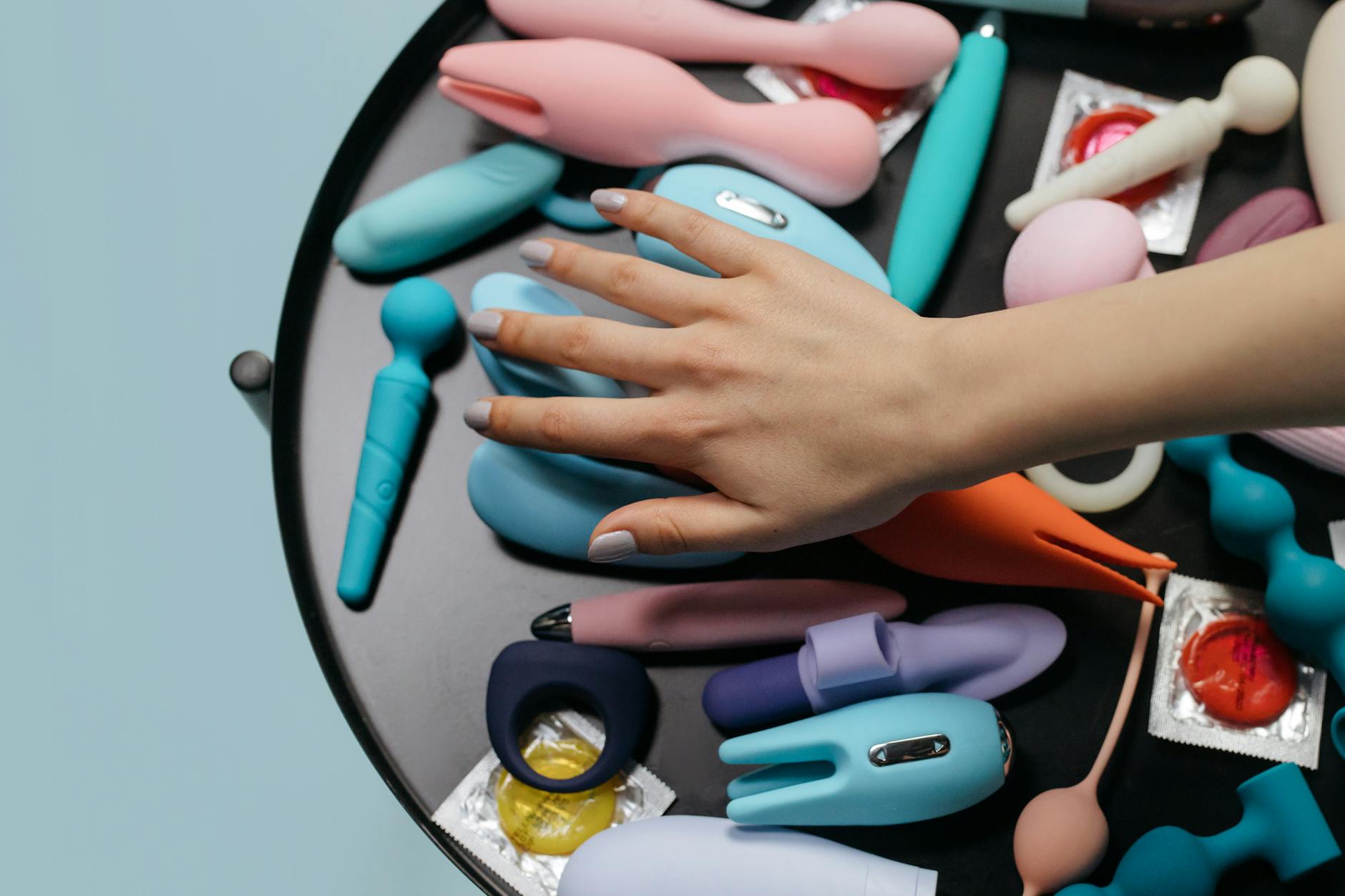
I typically recommend lemon clitoral vibrators in particular because of how they work. A lemon vibrator uses suction rather than pure vibration, which means it engages the clitoris in a different way than a partner's hand or mouth can. It's not better. It's different. And that difference often teaches people something new about their own pleasure.
When you know how your body responds to consistent, adjustable stimulation without having to communicate, negotiate, or worry about someone else's arm getting tired. When you can take ten minutes and access an orgasm reliably. You stop being so hungry for sexual attention from your partner. Not because you love them less. Because you've given yourself something you were asking them to give you.
Here's what I typically see when someone with low initiation issues starts using a lemon vibrator consistently:
Week 1: Relief. Just straight-up relief. You stop waiting. You stop monitoring their mood or your own resentment. You have a release valve that doesn't require another person's cooperation.
Week 2: Confidence. You remember what your own pleasure feels like. Not performance pleasure. Not negotiated pleasure. Just yours. That shifts how you show up.
Week 3: Curiosity returns.** You start noticing your partner differently because you're not in scarcity mode. You see them as a person again, not just as someone who is or isn't meeting your sexual needs.
Week 4 onward: The real possibility space opens. Some couples find their way back to more frequent sex because the pressure is gone. Some couples stay at a lower frequency but it feels different. Chosen instead of negotiated. And some couples realize they need to have the harder conversation about what's actually happening. But at least you're not making decisions from a place of desperation.
First: Pleasure is your responsibility. You set a rhythm for yourself. Not out of spite toward your partner. Out of respect for yourself. That might be twice a week or four times a week. Whatever feels sustainable and nourishing. That rhythm is non-negotiable.
Second: You don't have to hide it, but you also don't have to perform it. Some couples love exploring together. Some partners love watching. Some people prefer total privacy and that's valid too. The key is that you're not checking their reaction while you're trying to enjoy yourself. Your pleasure isn't content for them. It's for you.
Third: Notice what changes. Pay attention to whether your resentment shifts. Whether you start touching your partner more casually. Whether the sex you do have feels different. Often the solution to low initiation isn't more initiation. It's less desperation. And that's what regular, reliable self-pleasure gives you.
Using a lemon vibrator is not a substitute for talking about why your partner stopped initiating. But it does give you something crucial: perspective. When you're not in constant scarcity, you can ask real questions.
Maybe they have lower testosterone and they'd consider TRT. Maybe they have stress or depression that's tanking their libido and they need support. Maybe they've felt judged during sex and they pulled away. Maybe they need more affection outside the bedroom. Maybe you both got lazy and sex became something that happens when one person pushes for it instead of something you both want.
Those conversations are easier when you're not coming from a place of sexual desperation. When you're not unconsciously asking them to fix your body's needs. When you can say, "I'm taking care of my own pleasure, and I'd like us to explore whether we want more shared pleasure too."
That conversation is different. It's not about them being broken. It's about both of you wanting something together.
I want to be very direct: when you use a lemon vibrator or any toy for your own pleasure, and your partner knows you're doing this, you're not saying "I don't need you." You're saying "My pleasure matters to me enough to prioritize it." That's the message that changes things. That's what partners respond to.
The couples I've worked with where sexual desire really shifted weren't the ones who communicated more or tried harder positions. They were the ones where one or both people decided their own pleasure mattered. And everything else followed from that.
Not if you frame it honestly. "I need to feel sexual regularly, and I'm going to take responsibility for that" is a completely reasonable boundary. Most partners, when the resentment disappears because you're not constantly asking them to meet your needs, actually want you more. Desperation isn't attractive. Confidence is.
That's worth exploring with them directly. Sometimes it's about insecurity. Sometimes it's about a false belief that toys "replace" partners. Sometimes it's about them not having been given permission to also have solo pleasure. A lemon clitoral vibrator works on clitoral tissue in ways a penis never will. It's not competition. It's addition.
You'll feel better about yourself within days. You'll notice shifts in your mood and resentment within a week or two. Real changes in the relationship dynamic usually show up after about a month of consistent use. But this isn't a fix. It's a reset. The actual work is in the conversations you have once you're not desperate.
Absolutely. Many partners enjoy incorporating toys. The key is that you're doing it for you, not for them. Some couples find that exploring together is hot. Some partners love watching you find your own pleasure. Just don't do it as a performance to convince them to want you more.
Then you both get to take care of your own pleasure independently. That's healthy. That's partnership. You're not responsible for being each other's only source of sexual release.
No. It means you're being realistic about what one person can provide and you're taking responsibility for your own wellbeing. That's actually when relationships stabilize. The couples that break up over sex are usually the ones where one person is constantly waiting for the other to want them. Not the ones who've decided their own pleasure matters.
When someone finally gives themselves permission to have orgasms that don't depend on their partner's cooperation, something shifts. Not in a dramatic way. But the energy changes. You stop being resentful. You stop monitoring them. You stop performing willingness. You start actually wanting them, or you start realizing you don't. Either way, you get clarity.
And clarity about your own pleasure is the foundation for everything else. Real partnership. Real desire. Real intimacy. All of it starts with you deciding that your body's needs matter.
That's what a lemon vibrator does. It's not a miracle. It's permission.
Ready to prioritize your own pleasure? We're here to help. If you're curious about the tools that work, or if you need to talk through the relationship dynamics with someone trained in couples work, reach out. Contact Hello Nancy to connect with our team.