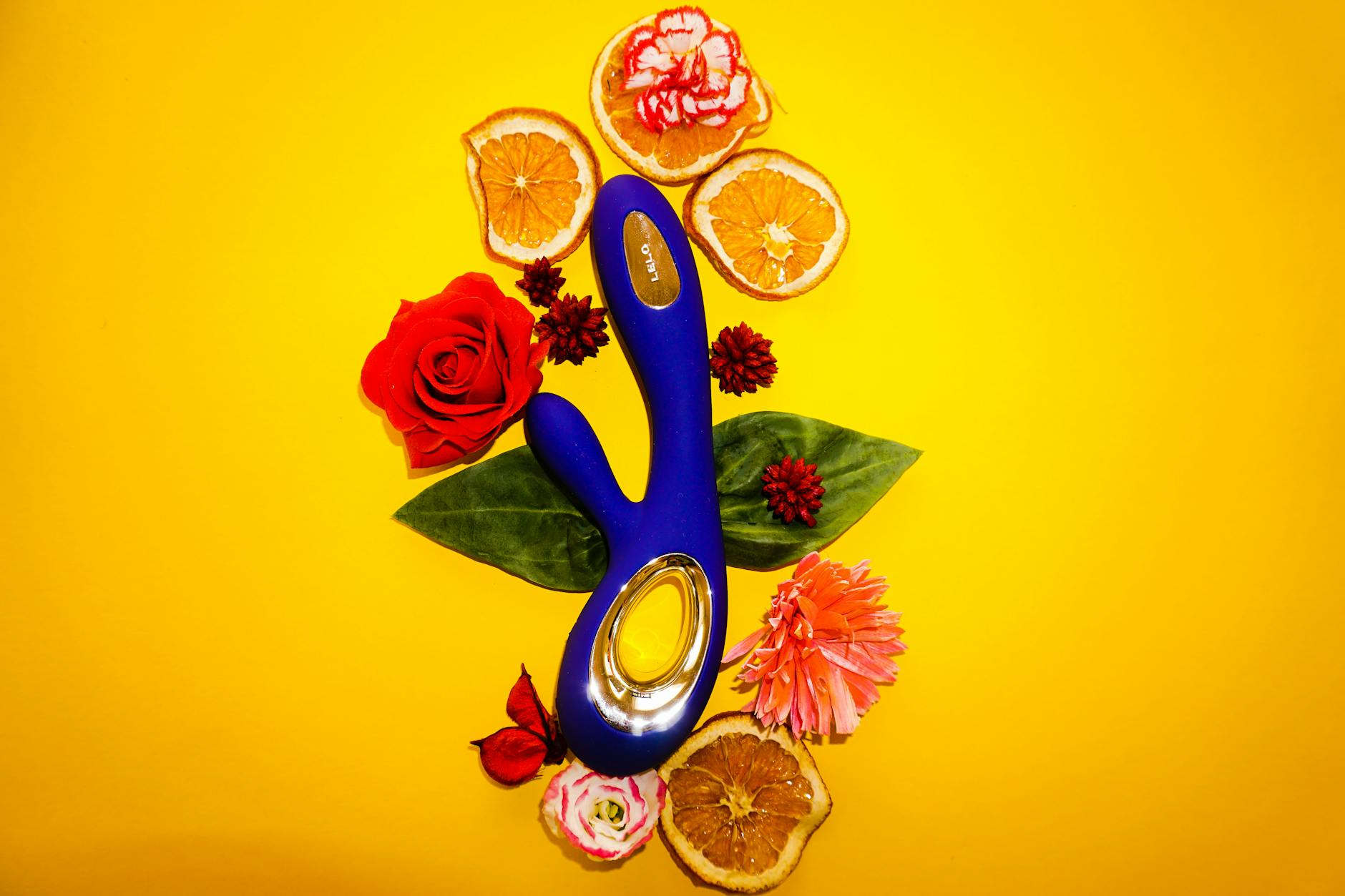
Low natural lubrication doesn't mean your body is broken or that pleasure is off the table. It means the sensation dynamics shift, and the tools that work best change too. The good news? Lemon vibrators, especially suction-based clitoral vibrators, are specifically designed to work brilliantly with lower lubrication.
Most people assume low lubrication requires wetter lube and heavier stimulation. That's backwards. The right toy matched with the right approach can feel more intense, more responsive, and more pleasurable than traditional vibrators ever did.
There are about fifteen different reasons your body might produce less natural lubrication. Hormonal shifts (whether menopause, hormonal birth control, or just your cycle's quiet phase). Medications, especially antihistamines and antidepressants. Dehydration, stress, or just not enough foreplay time. Pelvic floor tension that blocks arousal response. Some people are simply less wet as their baseline, and that's completely normal.
The important part: low lubrication is separate from low arousal. You can be fully turned on and still produce less natural fluid. Most people don't realize this distinction, so they blame their desire when the issue is actually mechanical.
Traditional vibrators rely on friction. They buzz against tissue, and natural lubrication helps them glide. When lubrication is low, friction increases, sensation can feel harsh, and the whole experience gets uncomfortable fast.
Lemon clitoral vibrators use suction and gentle pulsing instead. The Lemon Wand's suction-based design creates a seal around the clitoris and delivers stimulation through pressure waves rather than grinding vibration. This approach means you don't need as much lubrication because you're not moving across tissue the same way. The sensation actually deepens when lubrication is lower, because the suction creates more direct contact.
It's counterintuitive, but lower natural lubrication can actually produce more intense sensation with a lemon vibrator than with a traditional clitoral vibrator.
If you're using a lemon vibrator, you might not need supplemental lubrication at all. Start without it and see what your body tells you. Many people with lower natural lubrication find that the suction-based design works beautifully on its own.
If you do want to add lubrication, use water-based. It won't degrade silicone toys and gives you the right amount of glide without being so wet that the suction seal breaks. Silicone-based lubes feel richer but can damage silicone toys, so skip those. A little goes a long way. A thin layer around the opening, not a heavy coating.
Honestly? If you're going to use lube with a lemon vibrator, apply it sparingly. Too much actually reduces the suction effect, and you lose the intensity that makes these toys so good for lower-lubrication bodies.
When lubrication is low, the angle matters more than usual. You want direct contact between the toy and your clitoris. That means lying on your back with legs relaxed or slightly apart works better than sitting upright or on your side, where the angle can pull tissue.
Timing also shifts. Budget a bit more warm-up time before using the toy. Fifteen to twenty minutes of foreplay, or even solo arousal, helps bring blood flow to the area even if natural lubrication doesn't increase much. Your clitoris will engorge and become more sensitive, which means the suction has more to work with.
Start with the lowest suction setting on your lemon vibrator. Let your body adapt to the sensation. Most people with lower lubrication find that the gentler patterns feel more intense because there's less fluid cushioning the stimulation. You might not need to go higher than level two or three.
Here's something most advice gets wrong: people with lower lubrication often spiral into worry, which tightens the pelvic floor, which reduces arousal even more. You end up less wet, more frustrated, and convinced something is wrong.
Break that spiral by reframing what lower lubrication means. It's not a malfunction. It's information about what your body needs right now. Maybe it needs more time. Maybe it needs a different kind of touch. Maybe it needs the suction-based approach that a lemon clitoral vibrator provides.
When you use a lemon vibrator without expecting it to feel exactly like penetrative sex or like your body used to feel, the pressure dissolves. You're not trying to recreate an old sensation. You're exploring a new one. And for people with lower natural lubrication, that often means the most intense orgasms they've had.
If you're with a partner, the lemon vibrator conversation is easier than you'd think. "I'm going to use this during sex because it feels incredible" is a complete sentence. You don't need to frame it as a workaround or a fix for something broken. It's just a tool that works for your body right now.
Many partners find that watching someone use a lemon vibrator is genuinely hot. The suction sound is audible, the response is quick, and there's something really vulnerable about letting your body prioritize its own pleasure. If your partner's involvement matters, they can use the vibrator on you, or you can use it while they're inside you if penetration is part of your dynamic. The suction doesn't conflict with anything else happening.
Lower lubrication doesn't mean less pleasure during partnered sex. It just means the rhythm changes.
If your low lubrication comes with pain or discomfort during any kind of stimulation, that's worth mentioning to a doctor. Genitourinary syndrome or other conditions can be treated, often very effectively. A lemon vibrator can still be part of your pleasure toolkit even if you're managing an underlying condition.
If you're on medications that reduce lubrication, talk to your prescriber about whether the dose or timing could shift, or whether there's an alternative. Sometimes small changes help. And sometimes you just need better tools, which is where lemon vibrators shine.
For the vast majority of people with lower natural lubrication, the solution isn't a prescription or a doctor's visit. It's understanding how your body actually works and finding a tool that matches it. A lemon clitoral vibrator does exactly that.
Your first session with a lemon vibrator when you have lower lubrication might feel surprisingly intense. The suction is direct, the pulsing is clean, and without a lot of fluid cushioning the sensation, you'll feel everything clearly. Some people think "too intense" on the first try, then realize they just need to start at level one, which is really quite gentle.
Give yourself three or four sessions before deciding whether it's right for you. Your body learns quickly. Arousal might build faster once you understand the sensation. Your pelvic floor will relax once it realizes nothing painful is happening. The suction pattern starts to feel less foreign and more like exactly what you needed.
Low natural lubrication changes the pleasure equation, but it doesn't end it. With the right approach and the right tool, it often leads to the most responsive, most satisfying sensation you've ever experienced. A lemon vibrator is built for exactly this moment.
Yes, absolutely. The suction-based design of lemon clitoral vibrators works on its own without supplemental lubrication. Start with the lowest setting and see how your body responds. Many people find they don't need additional lube because the toy doesn't rely on gliding friction the way traditional vibrators do. If you do want to add lube, keep it minimal so the suction seal stays strong.
No. In fact, many people with lower natural lubrication report that their first intense orgasm came with a lemon vibrator. The suction creates more direct, focused stimulation than traditional vibrators. Without excess fluid, that stimulation feels sharper and more responsive. Your body knows what to do. The vibrator just removes the friction barrier.
Start at the lowest level. The suction patterns on lemon clitoral vibrators can be surprising the first time, especially when lubrication is low. Begin at level one and spend time there. Your tissue will become more engorged with arousal, and the sensation will feel different after a few minutes. If it stays uncomfortable, apply a thin layer of water-based lubricant and try again. You can always build up to higher levels once your body adjusts.
Maybe, maybe not. Some people find that regular pleasure-focused time increases baseline lubrication. Others stay at their baseline regardless of tool. That's fine either way. The goal isn't to change your body. It's to work with what you have and experience the pleasure that's available to you right now. A lemon vibrator is designed to do that.
Not necessarily. Lubrication and arousal are connected but separate. You can be fully mentally and physically aroused and still produce minimal natural fluid. Some medications reduce lubrication. Some hormonal phases do. Dehydration does. Stress does. Your nervous system does. Low lubrication is information about your hydration, your hormones, your medications, and your pelvic floor tension, not about whether you want pleasure.
Yes. More foreplay time helps, because blood flow to the clitoris increases sensation even without more lubrication. Longer warm-up reduces anxiety, which helps your body respond more fully. And a partner can apply water-based lubrication gently if you want that added glide. Or they can be present while you use your lemon vibrator, which many couples find deeply connecting. Low lubrication doesn't require you to solve it alone.
Your body's lubrication is not a measure of your desirability or your capacity for pleasure. It's a physical trait shaped by countless factors beyond your control. What is in your control is understanding how your body actually works and finding tools that match it. A lemon vibrator is one of those tools. It's built to work beautifully with lower natural lubrication, turning what feels like a limitation into a doorway to sensation you might not have thought possible. The rest is just permission to explore.