Let's start with the shift nobody warns you about
Your body changes during perimenopause and menopause. That's not news. What is news is that your pleasure tools don't have to change with it. In fact, the right ones work even better.
Science
Your body shifts. Your pleasure doesn't have to. Here's what changes during perimenopause and menopause, and why lemon clitoral vibrators adapt better than traditional vibrators.
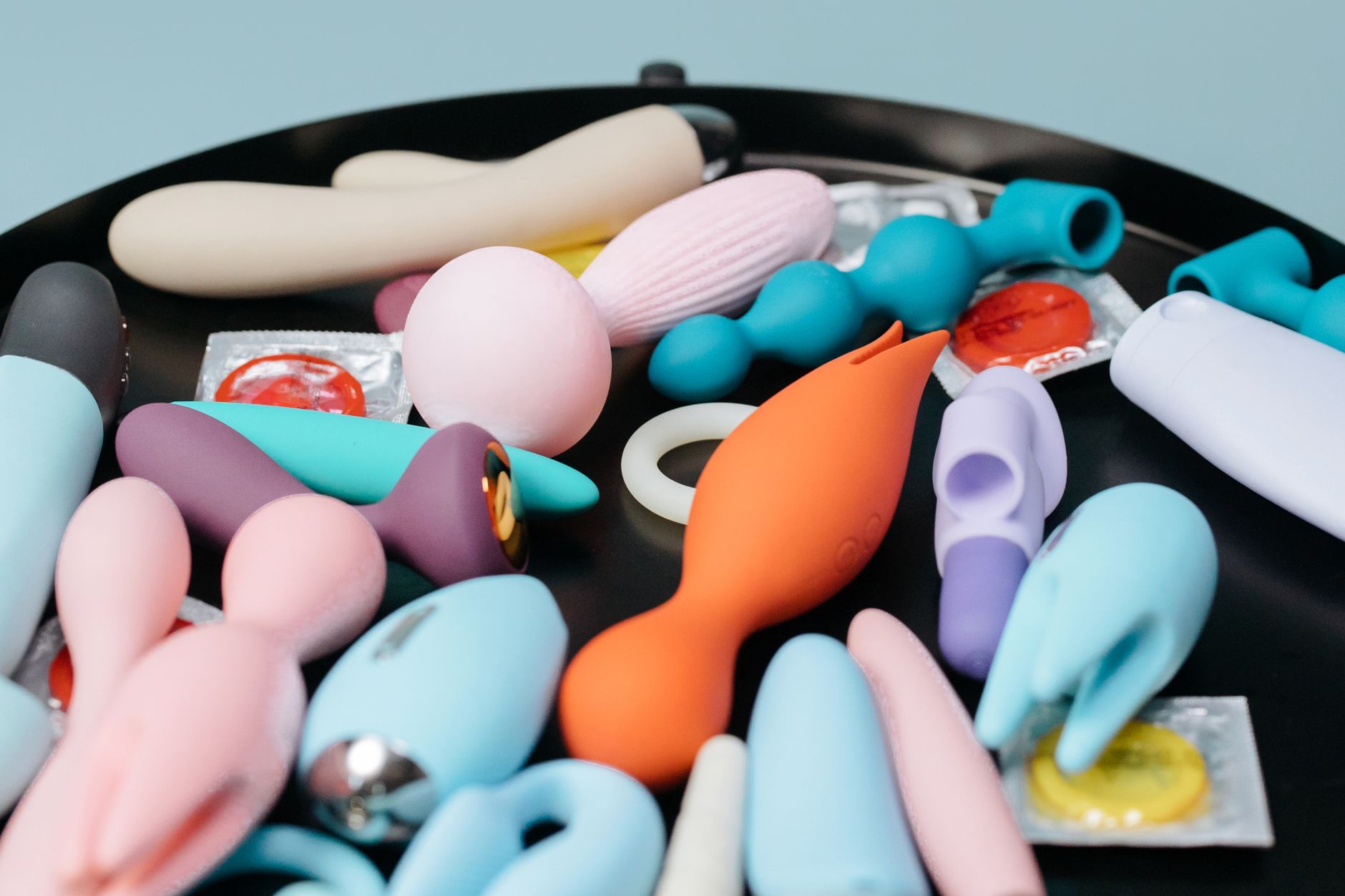
Your body changes during perimenopause and menopause. That's not news. What is news is that your pleasure tools don't have to change with it. In fact, the right ones work even better.
I work with people navigating midlife transitions, and one pattern I see constantly is this: women try the same vibrator they've used for years, notice it feels different (sometimes too intense, sometimes not quite right), and assume their pleasure days are numbered. They're wrong. They just need a tool that matches where their body is now.
Estrogen drops during perimenopause and menopause. This affects three things that matter for pleasure:
Tissue thickness and sensitivity. Thinner vulvar tissue becomes more reactive to direct, repetitive friction. What felt perfect at 35 can feel too aggressive at 50. The clitoral glans (the most sensitive part) gets less natural cushioning.
Arousal speed. Your nervous system takes longer to wake up. Blood flow to the genitals is slower initially. You need more time and gentler entry into stimulation, not more intensity.
Lubrication and natural moisture. This one's obvious but worth naming: vaginal tissue produces less fluid naturally, which matters if you're using friction-based stimulation.
Here's what does NOT change: your clitoral nerve density, your brain's pleasure capacity, or your ability to have powerful orgasms. Those stay constant. You're not broken. You're just operating with different input.
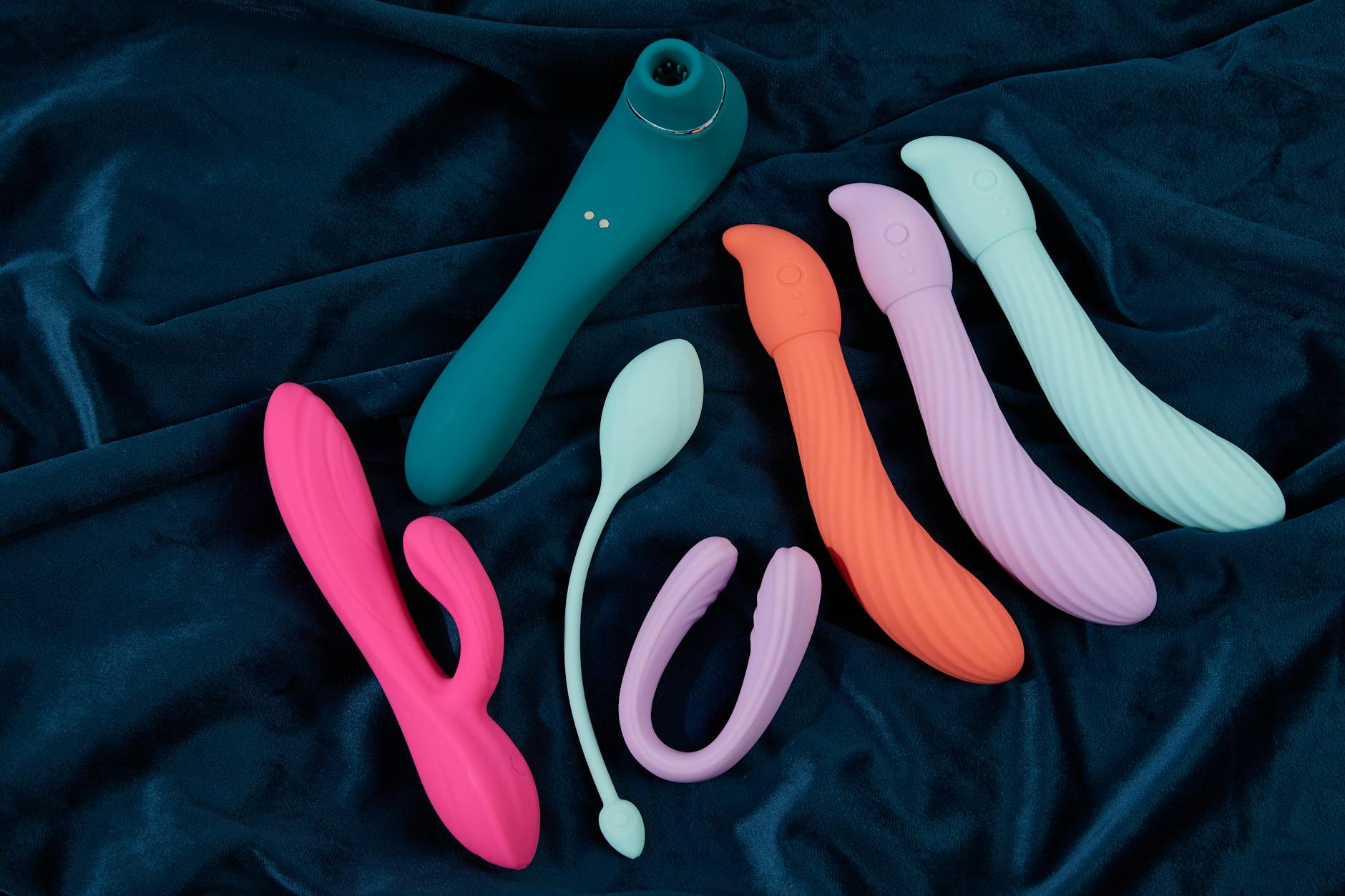
Photo by IFONNX Toys on Pexels
Lemon vibrators, specifically air-suction designs like the Lem, work through a completely different mechanism than traditional vibrators. Instead of vibration against tissue, they create gentle pressure waves and suction. Here's why that matters after hormonal shifts.
No friction fatigue. Suction stimulates nerve endings without rubbing delicate tissue repeatedly. If your vulva feels tender or raw after traditional vibration, suction bypasses that problem entirely. You're not irritating tissue that's already thinner and more reactive.
Adjustable intensity from the ground up. With lemon clitoral vibrators, you don't start with a baseline vibration and add settings. You start with near-zero suction (pattern 1) and scale up. For bodies that need gentler entry, this is the difference between pleasure and pain.
Better for extended sessions. Because suction doesn't cause tissue fatigue, you can stay with it longer. Many people find that what used to require 8 minutes of intense vibration now happens in 12 minutes of gentle suction. Same outcome, less strain.
Concentrated sensation. The clitoral glans has fewer nerve endings the more vulvar tissue atrophies, but the ones that remain are still there. Suction reaches them without needing thick tissue to bounce off. You're working smarter, not harder.
If you're in perimenopause right now (irregular cycles, hot flashes, but not yet fully postmenopausal), this is actually the ideal moment to experiment with lemon vibrators. Your hormones are fluctuating, which means your sensitivity changes week to week. A tool that adapts to varying sensitivity is worth its weight in gold.
Honestly, many people I work with find that switching to air-suction during perimenopause means they never experience the pleasure drop that comes with menopause. They're not adjusting to a new tool at 50; they've already adapted by 45.
If you've been using traditional vibrators and you try a lemon clitoral vibrator for the first time after hormonal shifts, expect a few things:
A learning curve on intensity. You might start too high because you're used to cranking vibrators to level 8 to feel anything. With lemon adult toys, patterns 2 and 3 often do more than you expect. Give yourself three sessions before deciding on your sweet spot.
A different kind of orgasm. Vibration tends to create fast, rhythmic sensation. Suction creates deeper, more diffuse waves. Some people find they need slightly longer warm-up but then experience more full-body sensation. That's not better or worse; it's just different.
Less genital irritation afterward. One huge tell is how your vulva feels 20 minutes after. If you're used to rawness or tenderness with traditional vibrators, suction should leave you feeling fine. If you're still irritated, you're probably still using too much intensity.
Research on air-suction vibrators shows they activate a different neural pathway than traditional vibration. Instead of firing repetitive mechanical signals, they activate pressure sensors throughout the vulva and vaginal opening. For postmenopausal bodies with less tissue padding, this distributed stimulation is more effective and less irritating than concentrated vibration.
One small 2016 study in the Journal of Sexual Medicine found that people who switched from traditional vibrators to air-suction devices during perimenopause reported higher satisfaction scores and lower reported discomfort. The mechanism wasn't complicated: less friction, more control, better results.
If you're considering trying a lemon clitoral vibrator for the first time, understand that you're not replacing a tool. You're choosing a tool designed for where your body actually is right now.
If you've been with traditional vibrators for years, switching takes a little intention.
Start with pattern 1 or 2. Seriously. You will feel like you're not doing anything. That's normal. Your tissue is already primed for suction; you don't need the broadcast-level stimulation you used before.
Warm up longer. Give yourself 15 to 20 minutes before you even turn it on. More foreplay, more mental space, more blood flow. Your nervous system needs the runway.
Use water-based lubricant. Even though suction doesn't require the same slickness as friction, lube still helps the seal and makes everything more comfortable. It's not a sign you're broken; it's just what works now.
Expect the learning curve. Your body has muscle memory around one type of stimulation. Building new pathways takes three to five sessions, not one. Be patient with yourself.
If you're experiencing pain during any type of stimulation, that's worth mentioning to a doctor. Genitourinary syndrome of menopause (GSM) is real and treatable, sometimes with topical estrogen or vaginal moisturizers. You don't have to white-knuckle through discomfort; there are actually solutions.
Similarly, if desire has completely flatlined, that's a separate conversation. Hormonal shifts affect libido through multiple pathways, some of which respond to topical tools, some to medication, and some to relationship or life adjustments. A good doctor who takes sexual health seriously can help you sort that out.
Lemon clitoral vibrators aren't just a cute marketing angle. They're a fundamentally different technology that happens to work beautifully for bodies moving through hormonal transitions. If you're noticing that your old vibrator doesn't feel right anymore, that's not a sign to quit. It's a sign to switch to something built for where you actually are.
Your pleasure doesn't have to decline with your estrogen. Sometimes it just needs a better tool.
Traditional vibrators use vibration—rapid back-and-forth motion—to stimulate tissue. Lemon vibrators use air-suction technology, which creates gentle pressure waves and suction pulses instead. For bodies with thinning tissue or increased sensitivity, suction causes less irritation and activates different nerve pathways, often resulting in stronger sensation with less intensity.
Absolutely. Many people find that trying a lemon clitoral vibrator during perimenopause is ideal because your sensitivity fluctuates week to week, and a tool that adapts to varying intensity helps you avoid the pleasure drop that sometimes comes with full menopause. You're essentially learning how to work with your changing body before the shift is complete.
Not typically, but it depends on severity. Suction is generally gentler than friction, so many people with mild to moderate GSM find lemon vibrators more comfortable. However, if you have significant pain or thinning, talk to your doctor first. Sometimes topical estrogen cream or vaginal moisturizers are needed before any internal stimulation feels good. That's not a failure; it's just getting the support your tissue needs.
Most people need three to five sessions to figure out their comfort zone. Your body has developed muscle memory and neural pathways around one type of stimulation, so rebuilding takes a little time. Start low, go slow, and give yourself grace. By session five or six, you'll have a much better sense of what works.
Yes, especially post-menopause. Because suction doesn't create friction, it's generally better tolerated by people with sensitive tissue. That said, "sensitive" means different things to different people. Some folks are sensitive to pressure; others are sensitive to texture. You might still need to experiment with patterns and intensity, but the core mechanism (suction vs. vibration) is usually the gentler starting point.
It can, yes. Hormonal contraceptives shift estrogen and progesterone levels, which affects tissue thickness and lubrication similarly to perimenopause, just on a monthly cycle. If you've noticed your pleasure patterns changing on birth control, a lemon clitoral vibrator might help normalize sensation across your cycle. Talk to your doctor if you're considering switching contraceptives for sexual health reasons; they're more open to it than you'd think.
If you want to explore how lemon vibrators fit into your current pleasure routine, reach out to us. We're here to answer questions and help you find what actually works for your body right now.