You start antidepressants because your mental health needs them. They work. Your mood stabilizes, anxiety softens, you can think clearly again. Then a few weeks in, you notice something else has flattened too: your ability to feel aroused, or to reach orgasm, or sometimes both.
You're not broken. Your medication is working exactly as designed. What's happening is neurochemical, predictable, and for many people, fixable with the right approach.
Most antidepressants work by increasing serotonin in your brain. The problem is that serotonin also regulates sexual arousal and orgasm. Higher serotonin equals lower libido in many people, especially those on SSRIs (selective serotonin reuptake inhibitors) like sertraline, paroxetine, or fluoxetine.
The effect isn't uniform. Some people lose desire completely. Others feel desire just fine but can't reach orgasm, no matter how much time or stimulation they get. Some experience both a dampening of arousal and an increase in the time it takes to climax. A few lucky people notice almost nothing.
The frustrating part: you can't just stop taking the medication. And there's often a gap between when your doctor says "this shouldn't be affecting you" and when you're sitting alone wondering why nothing feels like it used to.
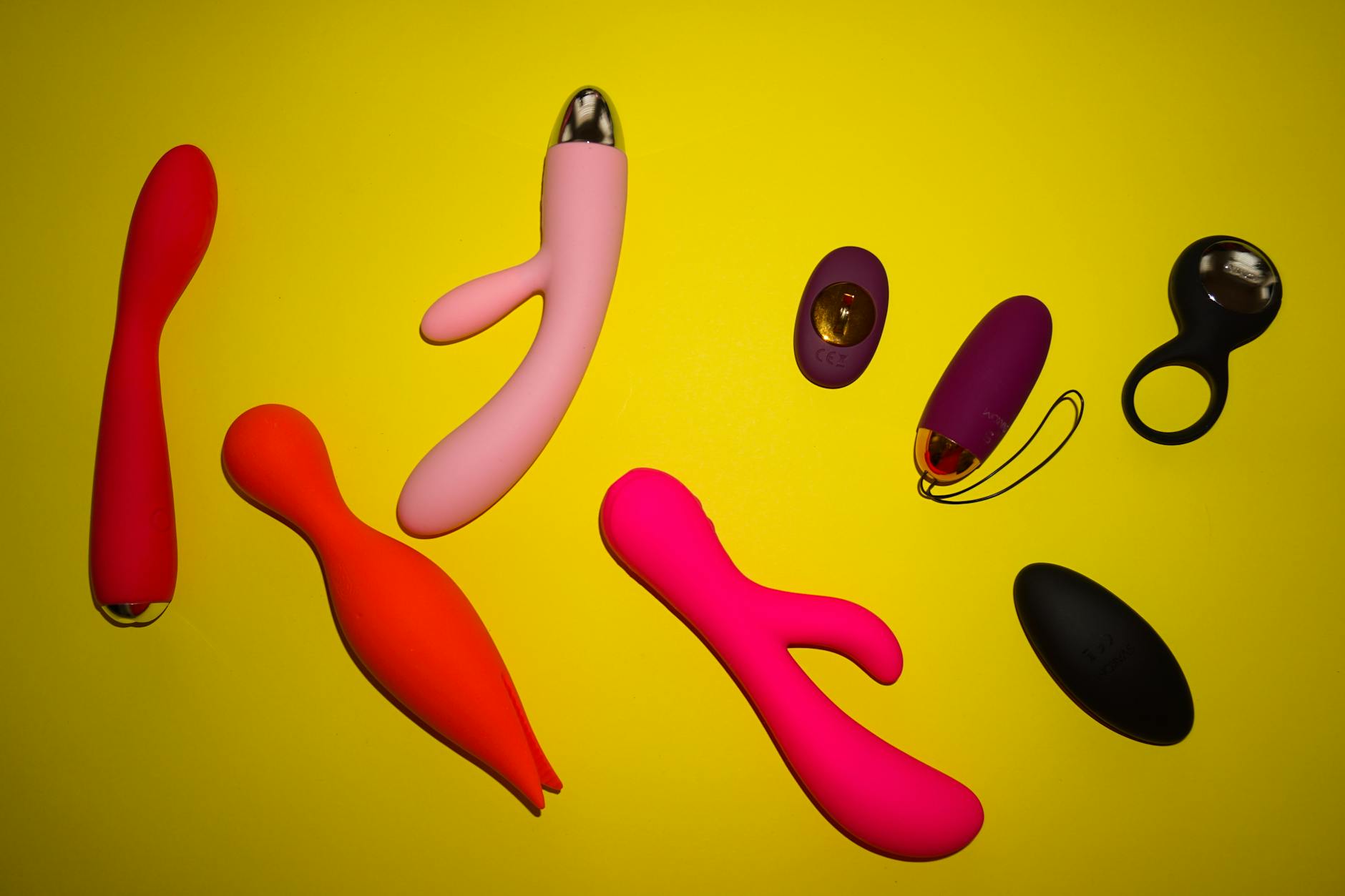
Here's the thing about lemon clitoral vibrators and air suction toys: they work differently than traditional vibration. Instead of relying on rhythm or intensity to trigger arousal from inside, they use pulse-pattern suction that stimulates the nerve endings directly and intensely.
When medication has dulled your baseline arousal, you don't need more of the same input. You need different input. A lemon vibrator, with its precision suction mechanism, can activate sensation in ways that bypass some of the neurochemical dampening. It's not magical. It's mechanical advantage.
Many of my clients who are on SSRIs report that they can reach orgasm with a lemon vibrator when they couldn't with traditional vibrators or manual stimulation alone. The suction pattern creates a sustained, consistent stimulus that doesn't require your brain's arousal circuits to work at full capacity.
Your clitoral tissue has thousands of nerve endings concentrated in a small space. Traditional vibrators stimulate these nerves through rhythm. Suction stimulates them through sustained pressure and release patterns that mimic what hands or mouth do, but with precision and consistency that's hard to achieve otherwise.
When serotonin is elevated, the threshold for nerve stimulation goes up. You need more input to register sensation. Suction-based toys like the lem vibrator deliver that intensity in a way that feels different than buzzing. It's a mechanical intensity, not a speed intensity.
Another factor: suction engages the whole clitoral complex, not just the glans. It pulls gently on the hood and the surrounding tissue, creating a broader area of stimulation. For people whose arousal is subdued, that broader engagement can be the difference between nothing and everything.
If you're on antidepressants and thinking about trying a lemon vibrator, start with the lowest setting. Your sensitivity might be different than it was before medication, and you're looking for discovery, not immediate payoff.
Give yourself time. You might need 20 to 30 minutes, where you used to need 10. That's not a setback. That's just the current state of your nervous system, and it's workable.
One unexpected benefit: the rhythm and consistency of suction can be meditative. Because it doesn't require you to do anything except receive, some people find it actually reduces performance anxiety. You're not worried about whether you're doing it right. The toy is doing the work.
Before you assume antidepressants are permanent libido killers, talk to your doctor. There are actual options: switching to a different class of antidepressant like bupropion, which has fewer sexual side effects. Adjusting the dose. Adding an augmentation medication like buspirone or bupropion to counteract the sexual dampening.
Your doctor might suggest timing: taking your dose at night instead of morning, or right after sex instead of before. Some medications work better at specific times relative to sexual activity.
None of this is shameful or unusual. Sexual dysfunction from SSRIs is common enough that there are actual treatment algorithms for it. You're not complaining about something trivial.
That said, medication adjustments take time. While you're working with your doctor on that front, a lemon vibrator can help you reconnect with your body right now. It's not either-or. It's both-and.
If you're in a relationship, this is worth a separate conversation. Your partner might feel rejected or confused about why things have changed. Explaining "my medication is affecting my arousal and I'm exploring ways to help myself feel pleasure again" is very different from "I don't want you anymore."
Some couples find that bringing a lemon vibrator into partnered sex actually helps. Instead of you struggling to get aroused while your partner watches and waits, there's a clear action: use the toy, reconnect with sensation, and often find that arousal follows. It takes the pressure off both of you.
When your arousal is medication-dampened, you need more direct stimulation to even register desire. That's not something your partner's touch alone might provide, and it's not their fault. A tool designed for this problem removes that friction.
You won't feel normal immediately. But over weeks and months of using something that actually works for your current neurochemistry, two things happen: your body relearns what pleasure feels like, and your brain starts to anticipate it again. That anticipation is often the missing piece.
Without it, there's no desire spiral. Without desire spiral, arousal stays flat. A lemon vibrator breaks that cycle by delivering sensation directly, which can then trigger the cognitive recognition of pleasure.
Many people find that after a few months of consistent use with a tool that works, their baseline arousal starts to improve even without the toy. You're rewiring your nervous system's expectation. That takes patience, but it's possible.
If nothing is working, and you've talked to your doctor about switching medications or adjusting dose, consider talking to a sex therapist. There's often a mental component layered on top of the neurochemical one. Shame, anxiety about whether you'll ever feel normal again, pressure to perform.
A good sex therapist can work alongside your prescriber and help you rebuild pleasure without judgment. It's not frivolous. Sexual function is part of health and quality of life.
Many of my clients find that combining three things works best: working with their doctor on medication optimization, using tools like lemon vibrators that actually create sensation in their current state, and addressing any anxiety or shame in therapy. You don't have to choose one path.
It varies. Some people notice changes within the first week or two. Others don't see a shift in arousal for a month. It depends on the specific medication, the dose, your individual neurobiology, and sometimes other factors like stress or relationship dynamics. There's no universal timeline, which is why it's worth tracking your own experience and reporting it to your doctor.
Often, yes. Bupropion (Wellbutrin) and mirtazapine have fewer sexual side effects than SSRIs, and some people see improvement when they switch. But "better for one person" doesn't mean "better for you." Your doctor can help you weigh the options based on your specific depression and anxiety patterns. It might take some trial and error.
Many people report yes, and there's a mechanistic reason: suction stimulates nerves differently than vibration, and that different stimulus can bypass some of the neurochemical dampening. But bodies are individual. Some people find that any toy they enjoy works fine. The key is trying something and seeing what your body responds to right now.
Completely normal. It's not laziness or lack of attraction or relationship problems. It's a direct neurochemical effect. The threshold for nerve stimulation goes up when serotonin is elevated. That's biology, not a character flaw. Acknowledging it and adjusting your approach is just good self-care.
Sometimes. Some people report that after a year or more, their body adjusts and arousal improves. Others find it stays dampened for as long as they're on the medication. This is a conversation worth revisiting with your doctor every six months or so. Your medication needs might change, or there might be new options that didn't exist when you first started.
Yes. Your doctor might suggest buspirone, bupropion as an augmentation, or sometimes even Viagra or sildenafil (used off-label for arousal). Some people find that sexual supplements like tribulus or maca help, though the evidence is mixed. These are all worth discussing with your prescriber before you try them.
The core thing to know: you're not stuck. Your body hasn't permanently changed. Your nervous system is responding to chemistry that you needed for your mental health. That's a trade worth making, and it's also worth optimizing. A lemon vibrator is one tool among many. Talk to your doctor, be honest about what you're experiencing, and give yourself permission to find new ways to feel pleasure that work for your current reality. Your mental health matters. Your sexual health matters too.