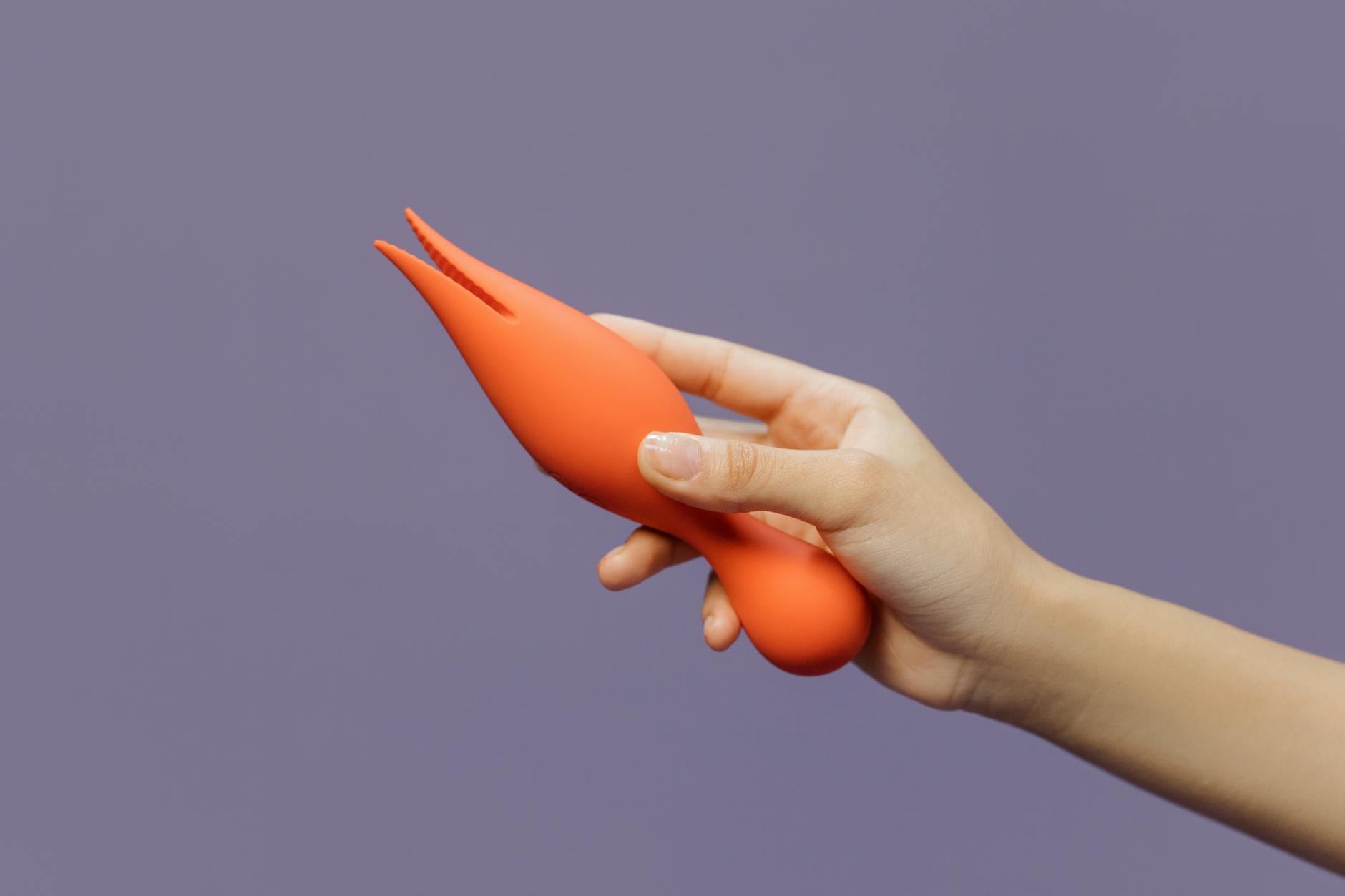
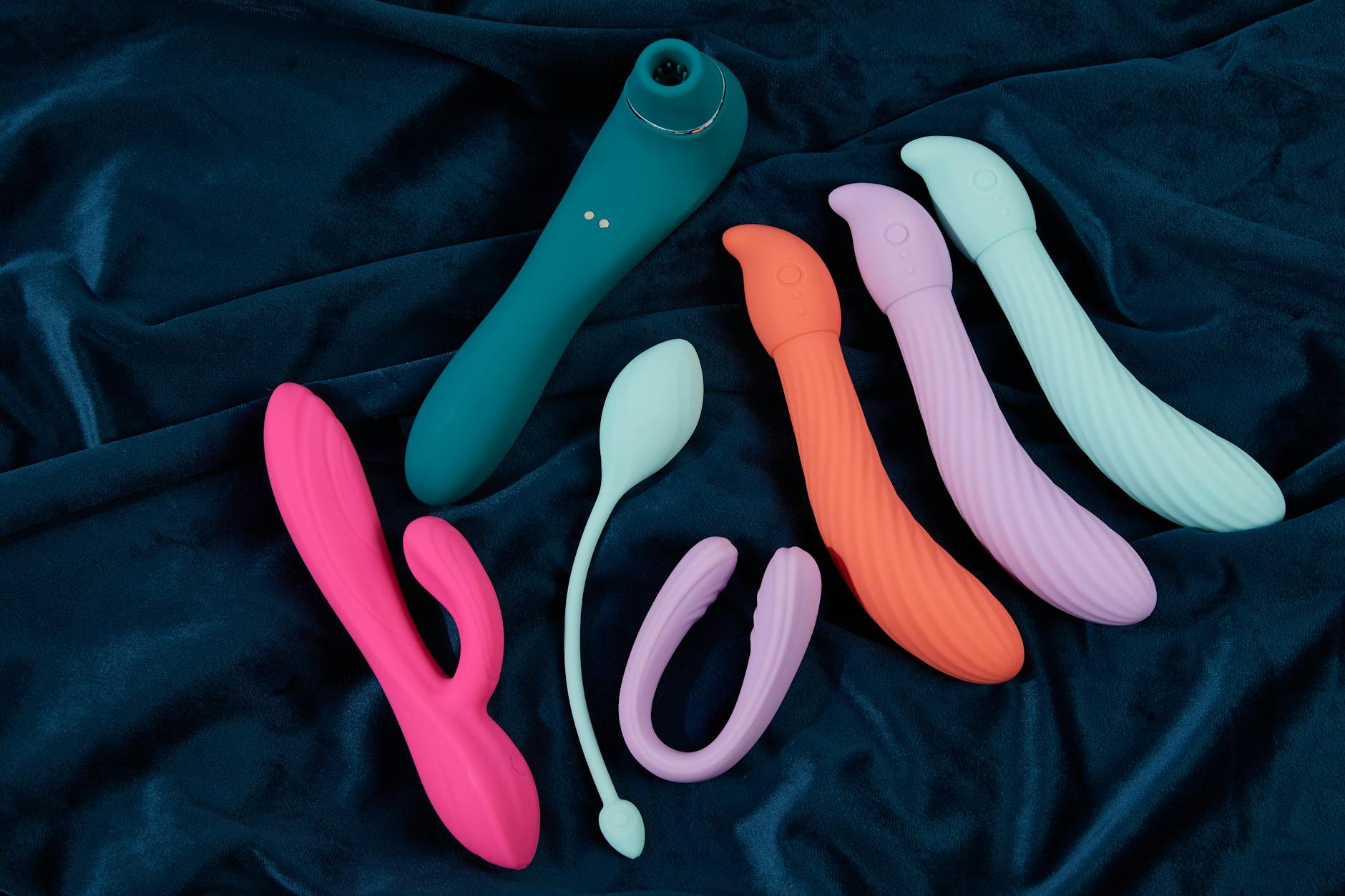
Why Lemon Vibrators Work Better for Pleasure After 50
What changes physically is real. What doesn't change might surprise you. Why clitoral suction beats traditional vibration when you're 50, 60, or beyond.
Here's the thing nobody tells you: pleasure after 50 isn't worse. It's different. And once you understand the mechanics, it's often better.
The shift in tissue texture, blood flow patterns, and nerve sensitivity that happens in your 50s and beyond is completely real. But most vibrators are designed for bodies 20 years younger. That mismatch is why so many women stop trying. They assume they've broken. They haven't. Their tools just stopped fitting.
Lemon vibrators using clitoral suction technology work differently than traditional buzz, which is exactly why they're such a game-changer for pleasure after 50. Let me walk you through the why and the how.
Estrogen drops even further than it did at menopause. Your vulvar skin thins. The clitoral hood becomes less padded. Blood flow to the clitoris slows slightly, which means arousal takes longer to build but can also mean sensations feel sharper once they do arrive.
Your pelvic floor muscles lose some of their elasticity. This isn't failure. It's biology. And it matters because traditional vibrators that rely on direct buzzing against thinning tissue can actually feel uncomfortable or even painful after a certain point.
Here's what stays the same: your clitoral nerve density. Your brain's capacity for pleasure. Your ability to orgasm, often intensely. The neural pathways don't age. Only the wrapper around them changes.
Traditional vibrators work by oscillating against tissue. After 50, that direct friction can feel overwhelming on delicate skin. It's not that your body is numb. It's that the sensitivity is now concentrated in a smaller area, which means vibration intensity needs to be gentler or feels jarring.
Clitoral suction (what Hello Nancy's lemon vibrator does) works differently. It creates a gentle pulling motion that stimulates the entire clitoral complex, including the internal branches that most people don't even know exist. The sensation is more diffuse, warmer, less mechanically intense.
For bodies with thinner vulvar tissue, this matters enormously. You get stimulation without the friction burn. You get sensation that travels through the whole structure instead of hammering one spot.
At 25, arousal might build in five minutes. At 55, plan for 20. This isn't dysfunction. Longer arousal foreplay actually allows for deeper sensation and often more intense orgasms. The problem is that most women are taught to feel bad about the slower timeline, so they rush themselves, which kills the whole thing.
Shift your expectations. Budget the time. The payoff is that your nervous system eventually reaches a threshold where sensation becomes almost overwhelming in the best way. Many of my clients report that orgasms after 50 are the most satisfying of their lives, partly because they finally stopped fighting their body's rhythm and started working with it.
Start with lower pattern settings on the lemon vibrator and let the sensation build gradually. Move the device around slightly instead of holding it static. The combination of gentle suction and varied positioning creates a richness that traditional vibration can't match.
You might not need much artificial lubricant at 25. You almost certainly will after 50. This isn't shameful. It's the same reason joints need more care. Thinner tissue dries faster, and the friction that matters now is the friction between the toy and your skin, which lubrication absolutely protects.
Water-based lube is your friend. Silicone-based feels richer but damages silicone toys, so stick with water. A small amount goes a long way with suction devices because the suction itself creates a seal. You're not trying to create slip. You're preventing micro-friction.
Reapply partway through if sensation starts feeling stickier. The whole experience shifts when you remove that single friction variable.
If you're with a long-term partner, they might feel threatened by a toy they didn't exist in your early sexual life. That's a separate conversation from the body conversation. One is about mechanics. One is about relationship meaning. Conflating them turns both into a mess.
The clearest path is honesty. "My body needs something different now, and I want your help" hits different than "I want to use this alone." Both are fine. Both deserve respect. But one opens a door. The other closes it.
Many couples find that integrating a lemon vibrator into partnered sex actually deepens connection because there's less pressure for the penetration or positioning that might feel uncomfortable. You're both focused on what actually feels good instead of performing what you think you're supposed to feel.
Kegel exercises are part of the answer, but only half of it. After 50, the other half is learning to release your pelvic floor fully, which many women never do because they've spent decades holding slight tension.
Try this: sit or lie down, take a slow breath, and on the exhale, consciously relax the pelvic floor muscles. Don't clench them. Actively loosen them. This is harder than it sounds. Most of us have learned to default to a tiny bit of tension for control. Letting that go takes practice.
A relaxed pelvic floor responds better to clitoral stimulation. The entire nervous system calms down, which paradoxically makes sensation sharper and more accessible. Add this to your routine before using the lemon vibrator and you'll feel a dramatic difference.
If you experience pain, burning, or discomfort that doesn't improve with lubricant and slower pace, that's your signal to see a menopause-trained provider. Genitourinary syndrome of menopause is real and incredibly common after 50. It's also treatable. Topical estrogen creams work fast and have minimal systemic absorption.
If desire has genuinely disappeared (not just shifted), that's worth discussing too. Testosterone therapy is an option, though it's prescribed conservatively in the US. It can be life-changing for the right person.
Your body didn't break. Culture told you that changing meant declining. That's the lie that actually stops pleasure.
Pleasure after 50 requires giving yourself permission to be slower, more deliberate, more selfish with your time and attention. It requires not comparing yourself to who you were at 30. It requires trusting that sensation can be different and still be extraordinary.
That's not resignation. That's expertise. Your body now knows things it didn't know decades ago. It knows what it actually wants. Most of us spend the first half of our lives learning to ignore that voice. Pleasure after 50 comes from finally listening.
No. Your clitoris doesn't age. The tissue around it changes, but the nerve density and your brain's pleasure centers stay intact. Many women report their first truly satisfying orgasms after 50 because they finally stopped rushing and started understanding what their body actually needs. Orgasm might feel different (sometimes more localized, sometimes more diffuse, sometimes both). Different doesn't mean gone.
Direct vibration can feel intense or uncomfortable on thinner vulvar tissue. Suction stimulates the entire clitoral complex (including the internal branches) without harsh friction. The sensation is warmer and more diffuse. For bodies with less padding under the clitoral hood, this gentler approach often feels way better. It's not a universal rule, but it's consistent enough that many women over 50 discover suction works when buzz never did.
There's no "should." But expect 15 to 25 minutes for full arousal. This isn't slow. It's different. And it's actually an advantage because longer arousal creates deeper sensation and often more intense orgasms. The problem isn't the timeline. The problem is feeling bad about it. Once you stop fighting it and start planning for it, pleasure becomes richer.
Yes. Whether you're using topical estrogen, systemic HRT, or nothing, clitoral suction works. If you're on systemic hormone therapy, tissue might respond slightly differently than someone who isn't. That just means starting with lower intensity and adjusting up as you feel. There's no incompatibility.
Not even close. Water-based lube with suction feels smooth and warm. Most women are surprised by how natural it feels once they stop thinking of it as a sign of being broken. It's a tool. That's all. After 50, lube isn't optional. It's part of the experience. Think of it the same way you'd think of moisturizer on aging skin anywhere else on your body.
Start with the lowest setting on a lemon clitoral vibrator. Spend five to ten minutes just exploring how it feels without the goal of orgasm. Breathe. This is important. Many women hold their breath during pleasure out of habit. Breathing changes everything. Once you feel even a little sensation you like, you can start experimenting with duration and intensity. There's no rush. This is a practice, not a performance.
Pleasure after 50 isn't compensation for loss. It's a different form that often feels richer than what came before if you're willing to explore it without shame. Your body didn't fail. Your tools just needed updating. Lemon vibrators using clitoral suction technology work because they're designed for bodies as they actually are now, not as they were decades ago.
That's not sad. That's smart.
If you have questions about how to use these tools or what might work best for your body, reach out. We're here to help you figure it out.