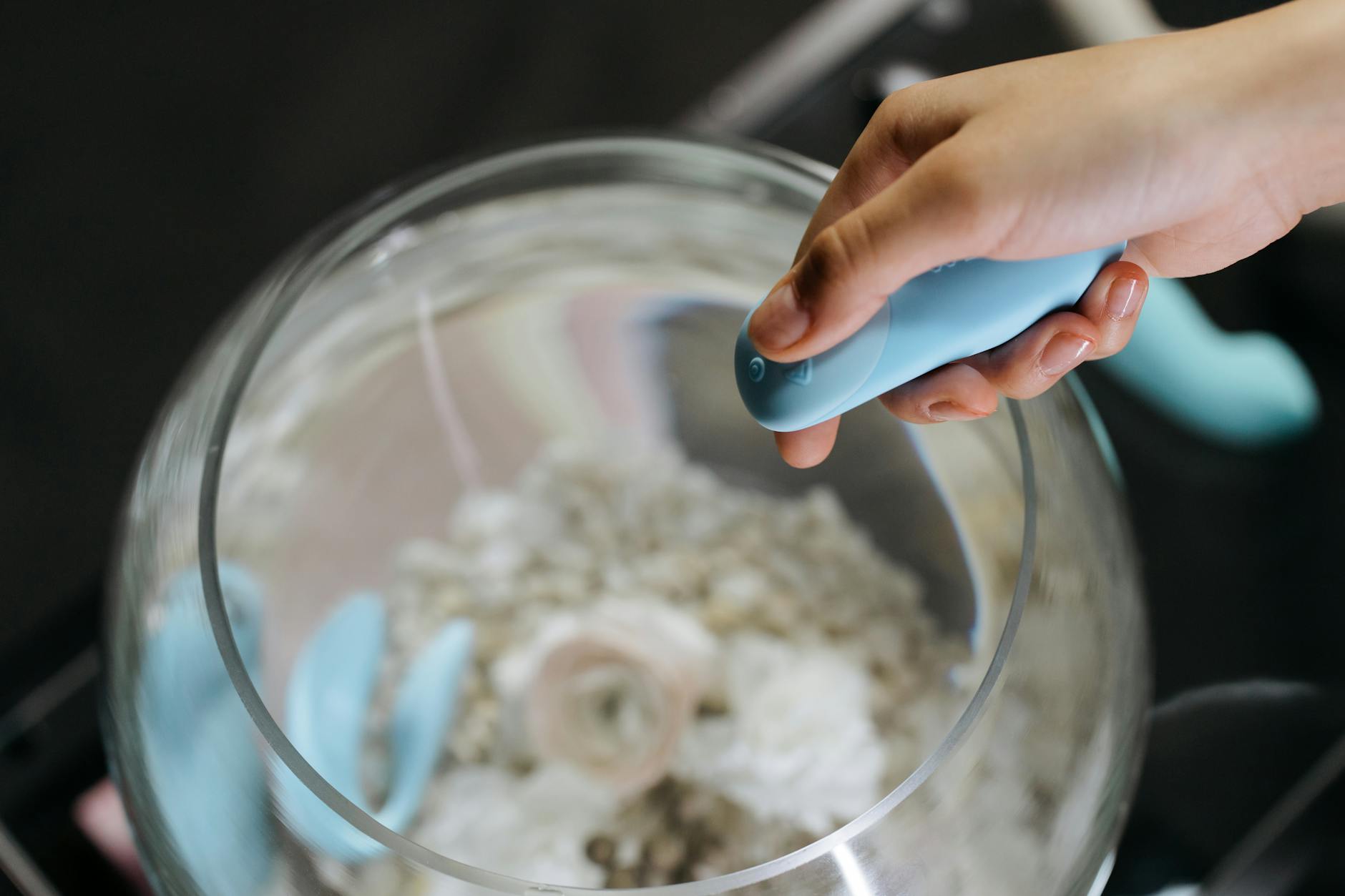
Why Lemon Vibrators Work Better for Rebuilding Intimacy After Relationship Disconnection
When emotional distance becomes physical distance, reconnection doesn't happen by accident. Here's how solo pleasure tools bridge the gap between avoidance and desire again.
Relationship disconnection sneaks in quietly. One partner stops reaching for the other. Touch becomes obligatory or disappears entirely. What starts as emotional distance hardens into physical avoidance, and suddenly the idea of being vulnerable with your partner feels impossible. You're living parallel lives in the same bed.
Here's the thing: you can't think your way back into desire. And you can't force connection through conversation alone. Your body has learned to protect itself from rejection, and that's a signal worth listening to, not fighting.
When disconnection happens, one of two things usually occurs. Either the person experiencing rejection stops initiating entirely (learned helplessness is real), or they stay in a holding pattern, waiting for their partner to move first. Both lead to the same dead end.
Solo exploration with a tool like a lemon vibrator does something counterintuitive: it separates your pleasure from your partner's approval. For the first time in months, maybe years, you're reconnecting with sensation on your own terms. You remember what your body is capable of. You remember what desire actually feels like when there's zero performance pressure.
That's not selfish. That's reclaiming the nervous system your relationship put on pause.
Most of my clients who use lemon clitoral vibrators during a rough patch report the same pattern. In the first week, it's practical. Relief. A way to take care of themselves physically without waiting for a partner who's checked out.
By week two, something shifts. They start noticing their own arousal patterns again. They remember they can come. That their body responds. That they have agency.
Then comes the surprise: that confidence bleeds into the relationship. You walk differently when you know your own pleasure is non-negotiable. You speak differently. You ask for what you want because you already know what that feels like.
Many couples tell me that the moment their partner noticed this shift—not the toy itself, but the confidence it created—the entire dynamic changed. Suddenly the disconnected partner wanted to reconnect, because the other person had stopped performing connection and started embodying it.
Lemon suction toys are gentler than traditional vibrators. The sensation is less aggressive, less about penetration or intensity, more about sustained, building pleasure. That matters when your body has been in protective mode.
The Lem's design means you can use it solo without feeling like you're replacing your partner. It's not a substitute in your mind. It's a tool that teaches you something about your own body. That psychological distinction is huge.
And practically? You can learn what works for you in privacy, on your timeline, then bring that knowledge back into the relationship. You're not waiting for your partner to figure out what you need. You already know.
Here's what most couples get wrong when they're trying to rebuild after disconnection. They skip the diagnosis and jump straight to the fix. "Let's have more sex." "Let's try toys." "Let's plan date nights."
None of that works if the core issue is unresolved. Disconnection is a symptom. The real problem might be unspoken resentment, mismatched needs, or a partner who made you feel unsafe asking for what you want.
Before introducing a lemon clitoral vibrator into your shared life, get honest about the disconnection itself. What caused it? Whose responsibility is it? What would reconnection actually require from each person?
If the disconnection happened because of something like infidelity or a deep betrayal of trust, a toy won't fix that. You need a couples therapist. But if it's the slow erosion that happens when people stop communicating, when sex became one more task, when vulnerability felt risky, then solo pleasure can be part of the bridge back.
Don't frame it as "I'm going to use this instead of sex with you." Do frame it as "I want to reconnect with my own pleasure so I can show up differently in our relationship."
You might also ask your partner to be present in the conversation about why. Not necessarily in the moment itself, but in the decision. "I've noticed we've been distant. I want to feel confident and alive in my body again. This helps me do that." That honesty often opens a door that months of conversation didn't.
Some couples find that exploring solo pleasure separately and then coming back together creates a shared intimacy that felt impossible before. You're not performing for each other. You're sharing what you've learned about yourselves.
This is where lemon vibrators shine in a different way. Once you've rebuilt your own confidence, a tool like the Lem becomes something you can explore with your partner, not instead of them. You're no longer asking them to fix you or create desire from scratch. You're inviting them to join you in something you've already reclaimed.
That changes the entire power dynamic. You're not desperate. You're inviting.
Some partners feel threatened by toys. If yours does, that's real feedback worth exploring separately from the tool itself. But many partners, once they see their significant other reconnected with their own pleasure, want to be part of that again. They remember what it was like when sex didn't feel obligatory.
Rebuilding intimacy after disconnection isn't a six-week project. It's a practice. Some couples reconnect in months. Some take a year or longer. That's not failure. That's the realistic timeline for trust and vulnerability to rebuild.
Your tool during this time isn't just the lemon vibrator. It's also therapy, both individual and couples-based if the disconnection was severe. It's honest conversations. It's patience with yourself when you don't feel like having sex even though you want to want to.
Solo pleasure tools are part of the toolkit. They're not the whole toolkit.
Only if you frame it that way. The research is clear: solo exploration actually increases relationship satisfaction because it removes the pressure on your partner to create all your pleasure. You're not replacing them. You're creating the confidence and knowledge you bring back to them.
That's the bigger question, and honestly, it requires professional support. A couples therapist can help you both understand whether the disconnection is temporary (stress, life transitions, communication breakdown) or foundational (incompatibility, repeated betrayal). A toy won't answer that. But reconnecting with your own pleasure can give you clarity about what you actually want from the relationship.
It depends on your relationship agreements around privacy and autonomy. Some couples have explicit rules about disclosure. Others believe solo pleasure is personal. The issue usually isn't the toy itself, but the secrecy as a symptom of deeper disconnection. If you feel like you have to hide it, that's worth examining. Why does disclosure feel unsafe?
Absolutely. Lemon vibrators are clitoral-focused, so they work beautifully whether or not penetration is on the table. They're often better for people who don't want penetration, actually. The sensation is entirely different from traditional vibrators, and many people find it more satisfying when penetration isn't the goal.
Start solo. Get comfortable with it alone first. Let your body learn the sensation without the pressure of being watched or judged. Once you're confident, sharing it with your partner becomes about connection, not performance. Your nervous system will guide the timeline.
That varies wildly. Some people feel the shift in weeks. Others take months. The tool accelerates confidence and pleasure awareness, but it doesn't fix the underlying disconnection all by itself. Therapy, communication, and genuine effort from both partners are equally important. Think of it as removing one barrier, not the whole barrier.
Reconnection after emotional and physical distance is possible. It's not easy, and it requires honesty from both people about what happened and what they want. But it's possible.
A lemon vibrator isn't a magic fix for a broken relationship. It's a tool that helps you remember your own pleasure, rebuild your confidence, and approach reconnection from a place of wholeness instead of desperation. That shift changes everything.
If you're in a disconnected relationship and you're ready to start the work of rebuilding, that begins with yourself. Your body, your pleasure, your reclamation of what it means to feel alive. Everything else builds from there.
Ready to explore what reconnection might look like for you? Reach out to discuss your specific situation. Contact us to talk through next steps, whether that's solo exploration or couples work.