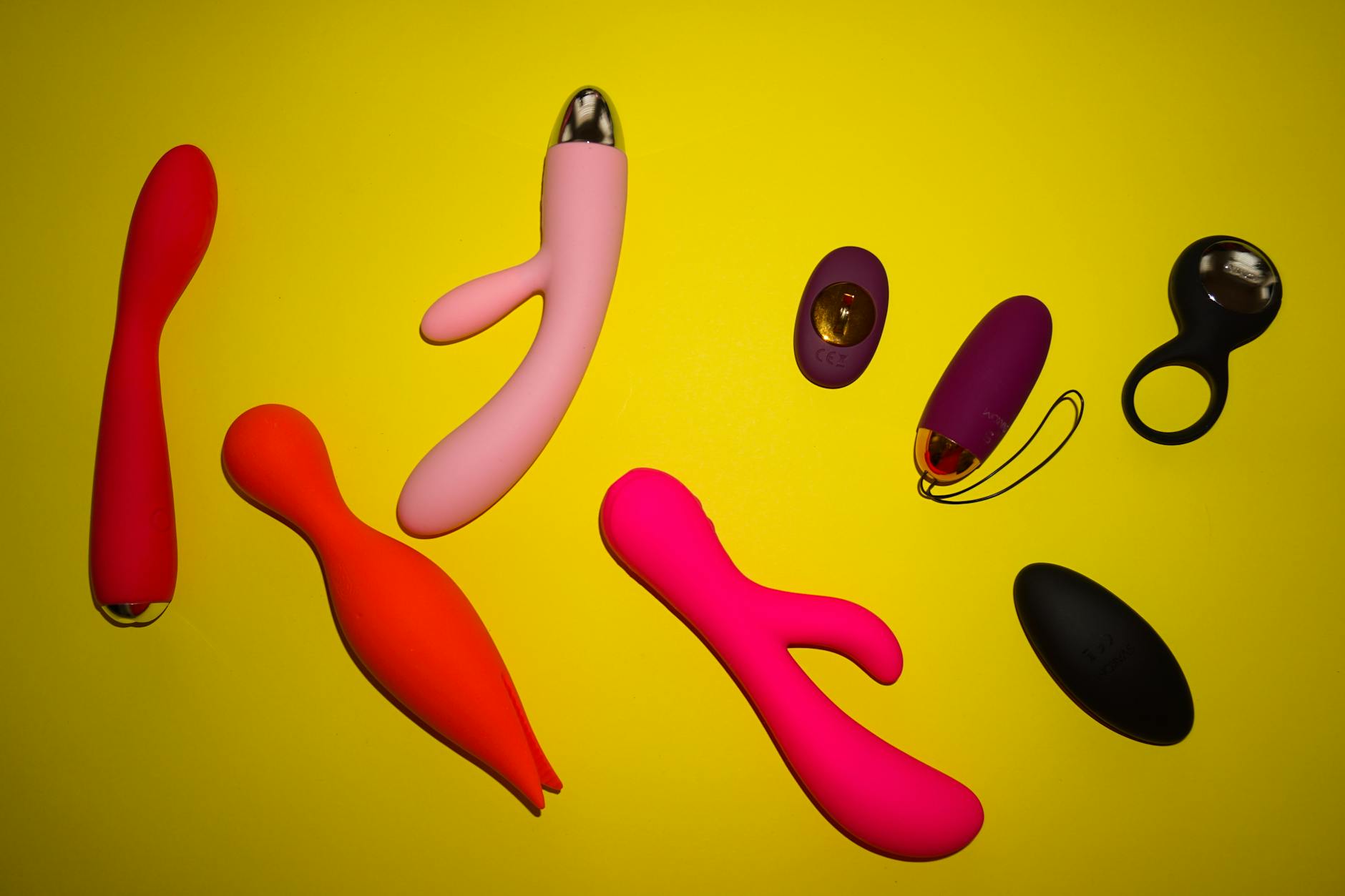
How Lemon Vibrators Improve Sensation After Switching From Traditional Vibrators
What happens to your body when you stop using conventional vibrators, and why suction-based lemon clitoral vibrators often unlock sensation you thought was permanently lost.
You've probably spent years with a traditional vibrator. Maybe it works fine. Or maybe it's stopped working the way it used to, and you've started cranking it to higher intensities just to feel anything at all. Then you try a lemon vibrator, and the sensation is so suddenly alive and directional that it almost feels unfamiliar. That's not coincidence. That's your nervous system waking back up.
This is the thing that trips people up: it's not the vibrator's fault, and it's not your body's fault. It's how desensitization actually works. When your clitoris receives the same type of stimulation repeatedly—especially the high-frequency, broad-contact buzz of a traditional vibrator—your nerve endings adapt. Neuroscientists call this habituation. Your receptors literally become less responsive to that specific signal.
Think of it like listening to the same song on repeat. At first, every beat hits. After the hundredth time, your brain stops registering it as novel input. The song didn't change. Your attention did.
Traditional vibrators typically deliver stimulation through mechanical vibration at speeds between 2,000 and 10,000 Hz across a relatively large surface area. Over months or years, your clitoris—which has about 8,000 nerve endings—gradually requires more intensity to trigger the same response. So you turn the dial up. And your body adapts to that new intensity. And the cycle continues.
Lemon clitoral vibrators use a fundamentally different mechanism. Instead of vibration alone, they create a gentle suction rhythm that mimics the sensation of oral stimulation. This is not marketing language. It's biomechanics. The suction engages your clitoris in a way that traditional vibrators simply cannot because it involves pressure, release, and directional flow rather than pure frequency.
When you switch from traditional vibration to suction, you're essentially asking your nerve endings to process a novel stimulus. And novel stimuli bypass habituation. Your body sits up and pays attention because this feels unfamiliar.
But here's the deeper thing: suction also creates a seal around the clitoris, which means the stimulation is more localized and intense in a very different way. It's not about raw power. It's about precision and the specific pattern of pressure and release. Many people report that suction feels less numb because it's engaging different nerve pathways than pure vibration does.
If you've been using traditional vibrators for years, your first lemon clitoral vibrator experience might feel strange. Some people say it's almost too sensitive at first. Others say the sensation feels foreign—almost like learning to enjoy a new type of touch entirely.
That strangeness is actually a sign that things are changing. Your nerve endings are being reactivated. They're receiving input they haven't received in a long time, and the brain's response to novel sensation is often surprise, not immediate pleasure.
Here's what I recommend during that adjustment phase:
Start at the lowest setting. Lemon vibrators typically have pattern 1-3 or intensity levels 1-5 depending on the model. Begin at the gentlest option. Your clitoris doesn't need convincing right now. It needs reintroduction.
Use it with realistic expectations for timing. You might not orgasm the first time. Or the second time. You're not broken. Your nervous system is recalibrating. That takes three to five sessions, sometimes more. Patience is not resignation. It's how change actually works.
Combine it with what you know works. If you have a partner or if you usually touch yourself in a particular way, keep doing that. Introduce the lemon vibrator as an addition, not a replacement, at first. This helps your brain create new associations with pleasure while still anchoring in something familiar.
Here's the clinical observation that keeps surprising clients: once you stop using traditional vibrators and switch to suction, sensitivity often returns within two to four weeks. Not months. Weeks.
This happens because you've removed the desensitizing stimulus and replaced it with something your nervous system has to work harder to process. That effort is actually what restores sensation. It's like taking a break from a medication and finding that your body's receptors reset.
You might also notice that sensation returns unevenly. The left side might feel more responsive than the right. The upper portion of your clitoris might light up before the lower portions do. This is totally normal. Your nerve endings aren't waking up in unison. They're waking up in clusters, and the map of your sensitivity is literally being redrawn.
Many of my clients also report that after a few weeks of using lemon vibrators, traditional vibrators feel noticeably duller if they try to go back. Which is excellent news—it means the sensory shift is real and durable, not just novelty wearing off.
Here's what people don't always connect: part of the numbness you've been experiencing might not be purely physical. It's psychological too.
After years of needing higher and higher intensity to reach orgasm, many people develop a subtle shame about it. "My body is broken." "I'm too numb." "I don't feel things the way I used to." That narrative creates a kind of anticipatory tension. You start a session already expecting it won't work, which makes your nervous system guard itself.
When you switch to lemon vibrators, you're not just changing the physical stimulus. You're also creating a permission to experience sensation differently. The shape of the toy is different. The feeling is different. The narrative can be different. And sometimes that mental reset is as important as the sensory one.
If you're in a partnership, the mental shift is even more significant. How to Use Lemon Vibrators With a Partner Who Thinks Toys Are Impersonal is about addressing the relational shame that often accompanies using toys. When you can talk openly about switching tools and exploring something together, the entire experience changes.
One: Don't throw away your old vibrator. You're not making a moral choice between tools. You're expanding your toolkit. If the lemon vibrator isn't working on a particular night, having options removes the pressure and frustration. Pressure and frustration are pleasure killers.
Two: Use lubrication. Suction-based lemon clitoral vibrators work better with a small amount of water-based lube. It creates a better seal and makes the sensation more fluid. This isn't about your body being dry. It's about optimizing the technology.
Three: Budget time differently. Suction vibrators often require a longer warm-up than traditional vibrators. Don't do a five-minute session and assume it doesn't work. Give yourself 15-20 minutes to explore, even if you're not expecting to finish. Pleasure is the goal right now, not necessarily orgasm.
For some people, the switch from traditional vibrators to suction takes longer. If you're not feeling significant shifts after four weeks, a few things are worth checking.
First: are you still using traditional vibrators occasionally? Even one session a week can slow the reintroduction of sensitivity. Total switch, at least for a month, usually works faster.
Second: check your stress levels and sleep. Chronic stress and poor sleep absolutely tank sexual sensation. They're not sexy topics, but they're foundational. If you're running on five hours of sleep and high cortisol, no vibrator is going to feel amazing.
Third: if you've been using traditional vibrators intensely for many years, your sensory recovery might genuinely take eight to twelve weeks. This isn't failure. It's realistic timelines. Nerve endings regenerate slowly.
If sensation still isn't returning and you're concerned, a conversation with a gynecologist or a sex therapist who specializes in desensitization can help rule out other factors. How Lemon Clitoral Vibrators Improve Sensation When Numbing From SSRI Antidepressants covers another common reason sensation changes, and those same tools can help here.
What's interesting is that while suction-based stimulation has been studied far less than traditional vibration, the research we do have shows strong outcomes for sensation recovery. Studies on clitoral suction devices show higher reported satisfaction and orgasm frequency than traditional vibrators in many cohorts, particularly for people who've experienced desensitization.
Part of this is the novelty effect. But part of it is also genuine physiological difference. Suction engages the clitoris as a whole structure, including the internal portions that you can't see. Traditional vibration is more surface-focused.
Most people notice a shift within two to four weeks of switching to suction-based lemon vibrators and stopping traditional vibrators entirely. Some experience changes within days. Others take eight to twelve weeks. The timeline depends on how long you've been using traditional vibrators, the intensity you were using, and individual factors like stress and sleep.
For faster sensitivity recovery, a complete switch for at least four to eight weeks works best. After that period, occasional use of traditional vibrators is usually fine. But during the reintroduction phase, going back to what desensitized you tends to reset your progress.
Some people do find them intensely sensitive at first, especially in the lowest settings. This often feels uncomfortable in a "too much" way rather than a pain way. Starting on the gentlest setting and limiting sessions to 10-15 minutes helps your body adjust. It typically resolves within a week or two.
No. Desensitization is not permanent damage. It's an adaptation, and adaptations reverse when the stimulus changes. Your nerve endings will regain responsiveness if you give them a different input long enough.
Try these: ensure you're starting at the lowest settings, use water-based lubricant, extend your session time to 20 minutes, focus on pleasure rather than outcome, and check your overall stress and sleep. If none of those shift things after six weeks, a conversation with a gynecologist or sex therapist can help rule out other causes.
Yes, but the relational piece matters too. If your partner was using a particular toy intensely during sex, the physical recovery happens with a tool change. The emotional recovery and rebuilding of connection is a separate conversation. Both are real. Both matter.
Switching from traditional vibrators to lemon clitoral vibrators isn't about trading one tool for a better one. It's about interrupting a cycle of adaptation and giving your nervous system permission to wake up. The sensation you think you've lost isn't gone. It's just been buried under years of the same stimulus.
When you change that stimulus to something fundamentally different—like the suction-based approach of lemon vibrators—you're not fixing yourself. You're simply removing what was keeping you asleep. And that's often all it takes.