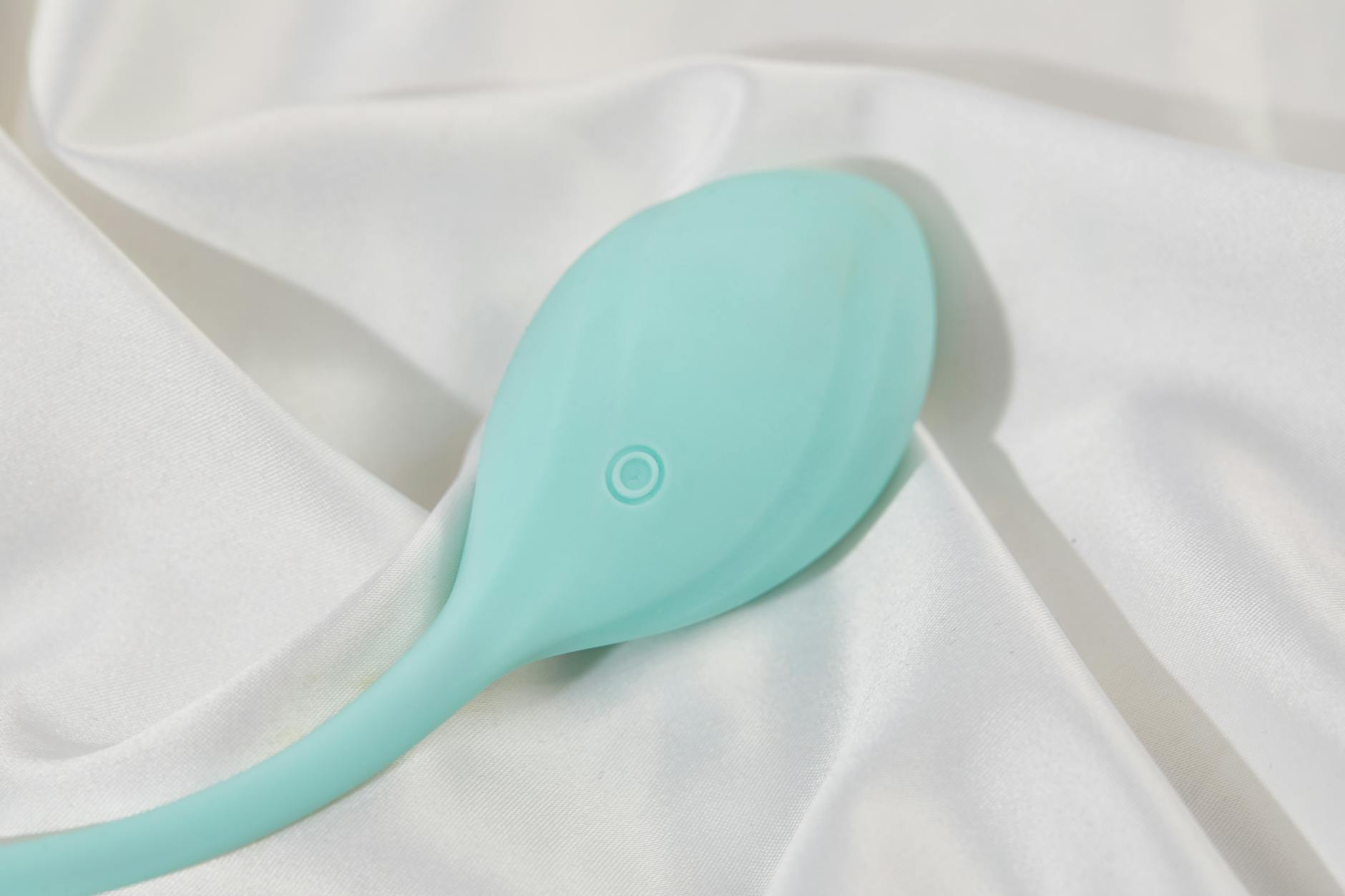
Trauma doesn't just affect your mind. It camps out in your nervous system and tells your body that feeling is unsafe. For survivors, pleasure becomes complicated because your body has been trained to protect itself by numbing. You might notice you can't feel touch the way you used to. Or arousal feels distant, like you're watching it happen to someone else. That dissociation is actually your nervous system doing its job. It's just stuck in protection mode.
Here's what I tell clients: reconnecting with your body isn't about forcing pleasure back. It's about gradual, consensual re-entry. And that's where the right tools matter.
Most vibrators use broad, intense vibration. For people rebuilding trust with their bodies, that intensity can feel intrusive. Lemon clitoral vibrators like the suction-based models use a completely different mechanism. Instead of vibration, they create gentle rhythmic suction that mimics the sensation of oral stimulation. This matters because suction is something you can control precisely, pause easily, and stop instantly without a long wind-down.
The Lem vibrator's design is particularly useful here: it's small, smooth, and the sensation is intensely localized. Your nervous system doesn't get overwhelmed by whole-body stimulation. You're building sensation in one safe zone at a time.
For trauma survivors, that containment is everything.
Before you even touch a lemon sucker vibrator, you need a grounding practice. Trauma keeps you in your head. Grounding brings you back into your physical space.
Three techniques that work for almost everyone:
1. The 5-4-3-2-1 scan. Name five things you see, four you can touch, three you hear, two you smell, one you taste. Do this slowly. You're anchoring yourself in the present room, not the memory.
2. Temperature contrast. Hold an ice cube for 30 seconds, then move to warm water. This gives your nervous system a clear, manageable sensory experience without emotional weight.
3. Bilateral stimulation. Tap your thighs or shoulders alternately, left-right-left-right, while breathing slowly. This is the same mechanism used in trauma-focused therapy. It calms your nervous system and helps your brain process what's happening as safe.
Do one of these before every session. Not because you're broken, but because you're being smart about pacing.
Sensate focus is a therapy technique developed by sex therapists Masters and Johnson. It's built for exactly this situation: reconnecting with sensation without performance pressure.
Here's how it works with a lemon vibrator:
Week 1-2: Self-touch, no vibrator. Spend 10-15 minutes exploring your own skin. Your forearm, your thigh, your collarbone. Notice temperature, texture, how pressure changes sensation. You're rebuilding your relationship with your own touch. No goal except noticing.
Week 3-4: Add the vibrator, settings 1-2. Same timeframe. Let it run against your inner arm, your neck, your collarbone. Not your vulva yet. You're getting your nervous system used to a new input in a low-stakes way.
Week 5+: Vulva exploration. If you're ready, now move to clitoral contact. Start at the lowest intensity. Your job is only to notice. Not to orgasm. Not to feel a certain way. Just to observe what your body tells you.
This sounds slow. It is. That's the point. Trauma survivors often get re-traumatized by rushing back into pleasure because the goal becomes more important than safety. You're not rushing.
Dissociation during a session isn't failure. It's your system telling you to slow down.
You might notice: floating sensation, watching yourself from outside your body, time feeling weird, numbness even when you expected to feel something, or a sudden urge to stop.
If this happens, pause immediately. Don't push through. Your nervous system is being protective. Ground yourself using one of the three techniques above. Sit with it for five minutes. Then decide: do you want to try again with lower intensity, or call it a day? Both answers are correct.
Dissociation isn't a sign that lemon vibrators don't work for you. It's a sign that your system needs even slower pacing. Consider working with a trauma-informed sex therapist alongside this process. They can help you understand what's triggering the shutdown and adjust your protocol.
One day you'll notice something has shifted. Maybe you felt a spark of actual arousal instead of just going through the motions. Maybe the sensation didn't feel numb. Maybe you wanted to come back the next day instead of dreading it.
This is where many trauma survivors get tripped up: they suddenly want to jump to intense sessions or push to orgasm. Resist that. You've built something delicate. Keep the pacing slow for another few weeks even as things feel better. Your nervous system needs to learn that pleasure is safe and reliable, not a spike that crashes.
Some people find that partnered sex or using a lemon clitoral vibrator alongside a partner takes a few more months. That's normal. Your body isn't broken. It's just being thorough about what's safe.
If you're partnered, this matters. Your partner might feel confused or rejected if you're not interested in sex right now. They might also feel guilty, especially if the trauma involves infidelity or betrayal.
Here's what works: separate the conversation. "I'm doing work to reconnect with my body" is different from "I want us to rebuild intimacy together." One is about you. The other is about the relationship. Confusing them usually derails both.
You might say: "I'm using a sensate focus framework with lemon vibrators to rebuild sensation. I'm not ready for partnered activity yet, but I wanted you to understand what I'm doing and why. When I'm ready, I'd like to move forward together."
This gives your partner clarity and a timeline. It also protects your healing from becoming about their needs.
If dissociation is intense or consistent, if you're having flashbacks during sessions, or if arousal triggers panic, work with a trauma-informed sex therapist or EMDR specialist. They're trained to help your nervous system process what happened so that reconnection feels possible instead of terrifying.
This isn't a substitute for therapy. It's an addition to it. The lemon vibrator is a tool for sensation. The therapist is the guide.
There's no fixed timeline. Some people feel shifts in three to four months. Others take a year or longer. The variable isn't the trauma itself. It's how much time you dedicate to grounding and sensate focus, whether you're in parallel therapy, and your own nervous system's pace. Be suspicious of anyone who promises a faster timeline.
Yes, but with structure. Unstructured use can sometimes trigger dissociation. Paired with grounding techniques and a sensate focus framework, lemon suction toys are actually ideal because their intensity is low and easily adjustable. If you're having active flashbacks, pause and bring in a trauma therapist before continuing.
Numbness is sometimes protective, not permanent. Your nervous system might need even slower pacing or a different modality entirely. Some people benefit from combining a lemon vibrator with temperature play or texture exploration. Others need to spend more time on non-sexual touch first. Talk to a sex therapist. They can help you troubleshoot.
Completely normal. Trauma often bundles pleasure with shame or danger. Your brain might be screaming that you don't deserve this or that something bad will happen. That's the trauma talking, not the truth. Naming it during sessions helps: "I notice guilt showing up. That's my system protecting me. I'm safe." Then continue at your own pace.
Absolutely. Lemon vibrators accelerate the process because the sensation is distinct and easy to control, but sensate focus, partner touch, temperature play, and mindfulness-based techniques all work. Use whatever feels safest to you.
Stop immediately. Ground yourself using the 5-4-3-2-1 technique or bilateral stimulation. Sit quietly for five minutes. Then decide whether to restart at lower intensity or end the session. There's no prize for pushing through. Your nervous system's feedback is the priority.
Reconnecting with your body after trauma isn't about returning to how you felt before. That might not be the goal anyway. It's about building a new relationship with sensation that feels safe, chosen, and yours. A lemon vibrator is just one tool in that process. The real work is in your nervous system learning that pleasure doesn't mean danger.
Take your time. Your body will get there. And when it does, you'll know the difference between real pleasure and the performance of it. That's when healing gets interesting.
If you're ready to explore this work but want support along the way, reach out. We're here to help you figure out what your body actually needs.